Australia
A Guide to Diving & Snorkeling in Australia
OK, I assume you have never been to Australia and wanted to visit it, because it sounds mysterious, and because you heard of the Great Barrier Reef.
Australia’s marine life is legendary. The must-see list includes swimming alongside bus-sized Whale Sharks at Ningaloo Reef, witnessing the ballet of Manta Rays on the Great Barrier Reef, and observing the epic migration of Humpback Whales along the east and west coasts. In the cooler southern waters, you can play with inquisitive Australian Sea Lions or search for the ornate and elusive Leafy Seadragon, a creature found nowhere else on Earth.
For wreck enthusiasts, the SS Yongala in Queensland is a world-class dive. This historic steamship sank in 1911 and is now a spectacular artificial reef, completely encrusted in life and patrolled by giant groupers, eagle rays, and turtles. For an adrenaline rush, South Australia offers cage diving with Great White Sharks.
I'll try to make an attempt to explain to you in a simply way what snorkeling and diving like in Australia and what to not miss. Australia has 6 regions, West Australia, Queensland, New South Wales, Victoria, South Australia, and the little island in the south: Tasmania.
Let's start with New South Wales, where Sydney is, as it might be where you fly into Australia and landed.
New South Wales (NSW)
New South Wales goes for a long way, as north as Byron Bay, as south as Eden. A lot of people would do a van trip along the coast line, which we have done many times, and high recommend. It's generally cold water, between 17-23 degrees, so a wetsuit is recommended when you are snorkeling, and definitely needed if you are diving.
Along the coastline, there are many diving and snorkeling places to stop by, and we highly recommend the following places from north to south
Byron Bay's Julien Rocks for snorkeling or diving, and if you are coming around January, for its beautiful elegant leopard sharks
South West Rocks' Fish Rock cave if you are an advanced diver, for its exciting cave formation and grey nurse sharks.
Seal Rocks for camping, surfing and snorkeling together. It's a shore entry snorkeling, famous for its turtles, sharks and rays. Just beautiful.
Sydney's urban Cabbage Tree Bay for its shore access snorkeling or diving. It's a marine protected place and you can always find something interesting there.
Shellharbour's Bushranger's Bay. It's the only place where you can see lots of grey nurse sharks snorkeling/diving from shore.
Narooma's Montague Island seal family. It's a boat dive/snorkel and you get to check out those curious Australian fur seals who loves to do a show in front of you and makes you so mesmerised and forget that you can't breathe underwater.
Merimbula's Bar Beach. It has a high jetty that you can jump into the water - some adrenaline definately. And in the water it's very clear and green, just nice to have a swim.
Queensland (QLD)
Queensland is always warm and sometimes too hot. It is the gateway to the famous Great Barrier Reef, which is the largest barrier reef in the world. (The second being in New Caledonia)
Chances are that you want to see the Great Barrier Reef, but you don't know where to go to see the best of it.
I have to tell you, that the best of the Great Barrier Reef doesn't come with a day trip from Cairns. You have to take at least a 3 night 4 day liveaboard to experience the best part of it, like the legendary Ribbon Reefs where it has the Cod Hole where you can encounter the friendly gigantic patato cods. If you go further, you can even see the remote Osprey Reef (famous for its colorful fan corals) and the Reine Islands (famous for turtles). There are 2 liveaboards for you to choose to go to these far away places: Mike Ball and Spirit Of Freedom. They both go to these remote places but also a bit more pricier than the other boat tours. But - you want to see the real great barrier reef and have 50 meters visibility!
Another cool thing to mention about the Great Barrier Reef is a special kind of whale: minke whale. Minke whale is a dwarf whale which is tiny (bigger than a dolphin), and the coolest thing about them is that they love humans. Unlike the humpback whales who usually run away or hurry on unless they are curious babies, minke whales can play with humans in water. They come and look at you and swim around you, and the longest interaction time they had with humans is as long as 8 hours! Minke whale season is in June - August, around those dates you can see lots of boat companies organise special expeditions known as "Minke Whale Trips".
If you missed minke whale season and also don't have 4 days for a liveaboard - don't be sad. There are some other options. Here are our recommendations for you:
Lady Elliot Island. It's famous for manta rays and turtles and unspoiled ocean. Because it is a private eco island - has a limit of how many tourists to come, the accomodation is hard to get and quite expensive (both the flight and the accomodation).
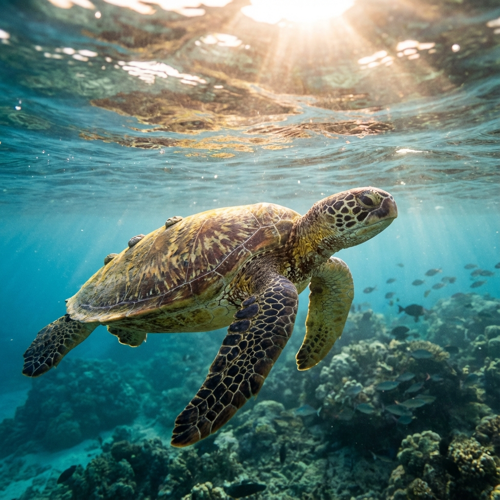
Yongala Wreck. Hands down, this is really special, as beautiful as the Richlieu Rock if you ask me. It's a wreck in the middle of no where around 20 ish meters, and small fishes used it as a shelter, which attracted big fishes to come too. You can always see some beautiful big fantail rays around, sea turtles and sea snakes always there too. You can get there from either Alva, Townsville or Magnetic Island. I'd actually recommend you to stay in Magnetic Island, which is beautiful with lots of hikes and beaches, and take a day trip to Yongala Wreck to check out this unmissable masterpiece.
Fitzroy Island. This can be a good option if you plan to fly to Cairns. It is a beautiful, lush island famous for its turtle conservatory (you can snorkel around and spot turtles) and its different kinds of butterflies in the hiking trails over the mountain.
Western Australia
Western Australia = wild. Think about emu running on the red sandy soil. Home to the incredible Ningaloo Reef, a massive fringing reef that you can access right from the shore. This UNESCO World Heritage site is arguably the most reliable place (very ethical as well) on the planet to swim with the majestic whale shark. The Exmouth Navy Pier is also a must-do, often cited as one of the best shore dives in the world - and it is - you'll never find so many huge animals in a shore dive as here.
Here are what we think you shouldn't miss out if you choose to check out Western Australia.
Ningaloo Reef: This is the main event. From March to August, you can have the life-changing experience of swimming with whale sharks, the gentle giants of the ocean. If you visit between August and October, you might also get the chance to swim with migrating humpback whales. We did a trip and saw BOTH! It was just extraordinary. What makes it even better, we also saw lots of manta rays playing belly flop, also in the same trip! (Please be aware that these trips do get booked out early so plan before you go!) There are also elusive dugongs living here but they are hard to find.
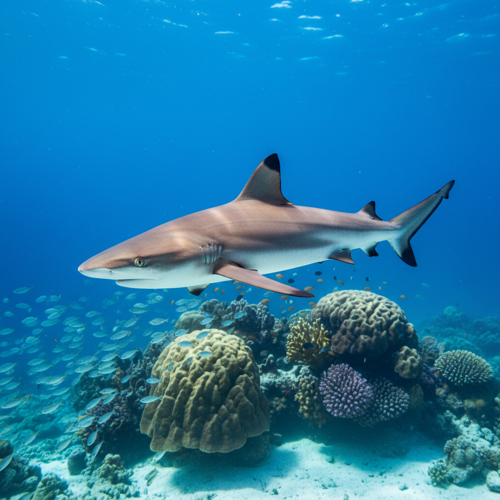
Exmouth Navy Pier: This is THE best shore dive I ever had in the world. Because it's a working naval pier, access is restricted and you must dive with a licensed operator. And because access to it is restricted, the fishes here are preserved from fishing. Underneath the pier, you'll find an astonishing array of creatures, including large schools of fish, massive groupers, reef sharks, and colorful nudibranchs.
Rowley Shoals: Located north of Broome, this marine park features shallow lagoons, pristine corals. If you are into corals, you should come here. The corals here are more healthier and beautiful than the Great Barrier Reef. However, this place is 17 hours boat ride away from Broome (which is the nearest town), so you can only take a liveaboard to reach and the options are very limited.
HMAS Perth Wreck: For wreck diving enthusiasts, the decommissioned HMAS Perth, a 133-meter-long guided-missile destroyer, was scuttled off the coast of Albany and has become a thriving artificial reef. But it is in the middle of no where - so... unless you do a roadtrip and drive there, it'll be hard to get.
Rottnest Island: Quokkas. Have you heard of them? Have you seen them smiling? They are the cutest animal you can find in the world, always smiling and they live only on this island! Also, beautiful turquoise water and bays for you to go snorkeling, and close to Perth. It can be a nice choice if you love snorkeling around.
South Australia
The southern waters of Australia offer a different, but no less spectacular, underwater experience. The water is cooler, so a 7mm wetsuit is recommended, especially in winter. This region is famous for its unique marine life, including the elusive leafy seadragon and great white sharks.
Cage Diving with Great White Sharks: Port Lincoln = Great White Sharks. The only place in Australia where you can go cage diving with great white sharks.These incredible predators are drawn to the Neptune Islands by the large colonies of fur seals. But in recent years they haven't seen much - so check with them first before you book.
Swimming with Australian Sea Lions: At Baird Bay, you can have a truly heartwarming experience swimming with these "puppies of the sea". The sea lions are not fed or enticed; they interact with swimmers out of sheer curiosity and playfulness in the shallow, protected waters.
Leafy Seadragons: South Australia is the place to see the ornate and incredibly well-camouflaged leafy seadragon. They are the flamboyant cousins of the weedy seadragons. Jetties like Rapid Bay and Edithburgh are world-famous spots to find these unique creatures.
Giant Cuttlefish Migration: From May to August, thousands of giant Australian cuttlefish gather in the shallow waters off Whyalla for their annual breeding event. This is a spectacular and colorful sight for both snorkelers and divers.
Kilsby's Sinkhole & Ewen's Pond: For something completely different, explore this crystal-clear, freshwater sinkhole near Mount Gambier, which offers incredible visibility. It will remind you of the cenotes in Mexico, clear fresh water holes makes a paradise on earth.
Victoria
Weedy Seadragons: Victoria is a hotspot for finding the weedy seadragon, a relative of the leafy seadragon. Flinders Pier on the Mornington Peninsula is considered one of the best and most reliable places in the world to see them in shallow water.
Australian Fur Seals: At Chinaman's Hat, a haul-out site in Port Phillip Bay, you can snorkel with playful Australian fur seals in a safe and shallow environment. To be honest, the Australia Fur Seals are much more playful than the ones I encountered in Iceland, who just ran into the water when they saw you. Aussie Fur Seals see you and will come up and play with you, and show off their underwater breath holding skills.
Ricketts Point Marine Sanctuary: Located close to Melbourne, this is a popular and accessible spot for snorkeling, with clear, shallow waters perfect for families. You can find Port Jackson sharks, eagle rays, and vibrant seagrass beds.
Blairgowrie Marina: Another popular dive site on the Mornington Peninsula, the marina's sea wall creates a sheltered environment with a high diversity of marine life, including sponges, fish, and seahorses.
Bunurong Marine National Park: This park boasts a variety of underwater habitats, including caves and rocky reefs, making it a great place to discover a wide range of marine creatures.
Spider Crab Aggregation: Every winter, typically between May and July, a spectacular natural event unfolds in Port Phillip Bay. Tens of thousands of giant spider crabs gather in the shallows to moult their shells. This mass aggregation is thought to be a defense mechanism, as the crabs are soft and vulnerable to predators like stingrays and birds while they wait for their new shells to harden. The enormous gathering can often be seen from piers at locations like Rye and Blairgowrie, creating a phenomenal sight for snorkelers, divers, and even land-based observers.