This dive site features the HMAS Swan, a 2750-ton, 140-meter long former Royal Australian Navy destroyer escort, which was deliberately scuttled in December 1997 in Geographe Bay. It rests at a maximum depth of 26 meters, with an average depth of approximately 13 meters, and has a slight list, making it a truly spectacular artificial reef. Divers can explore its vast decks, superstructure, and potentially accessible interior sections, navigating through different compartments that have been opened for diver safety. The history of the HMAS Swan as a naval vessel adds a unique historical dimension to the diving experience.
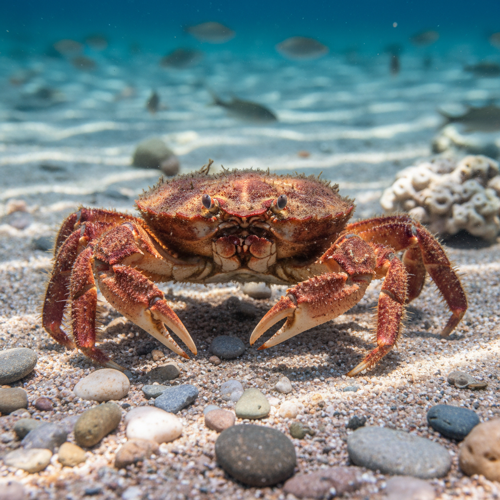
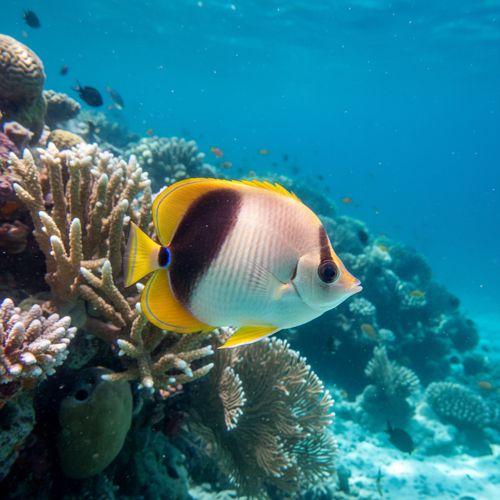
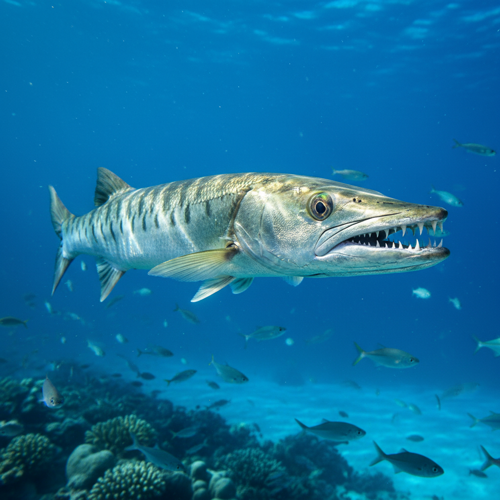
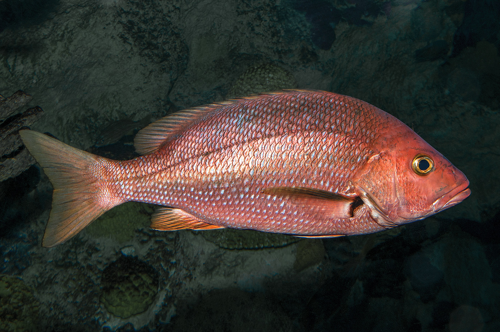
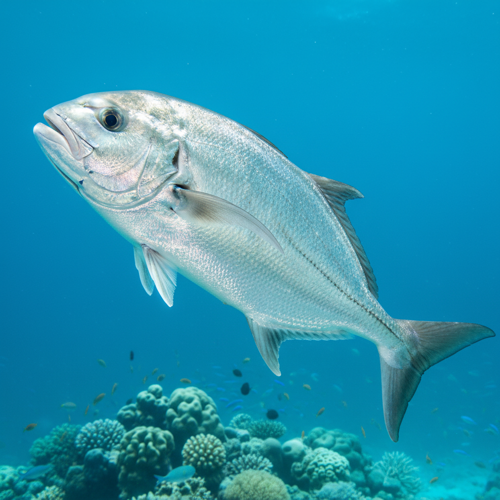
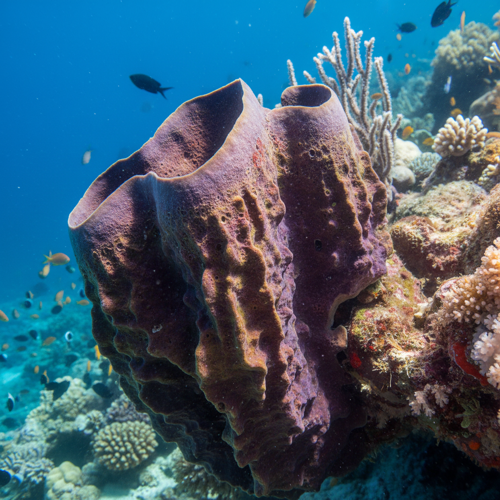
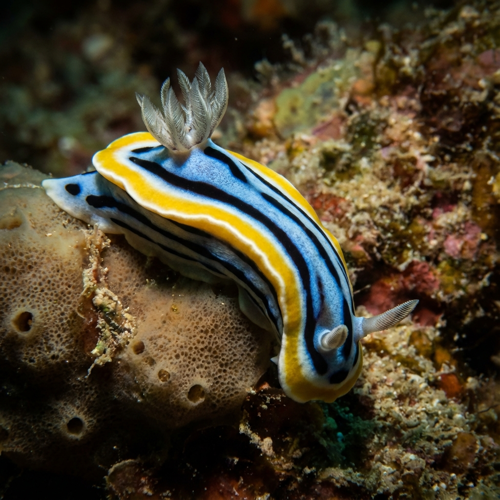
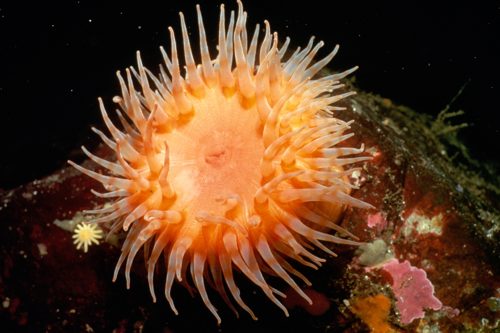
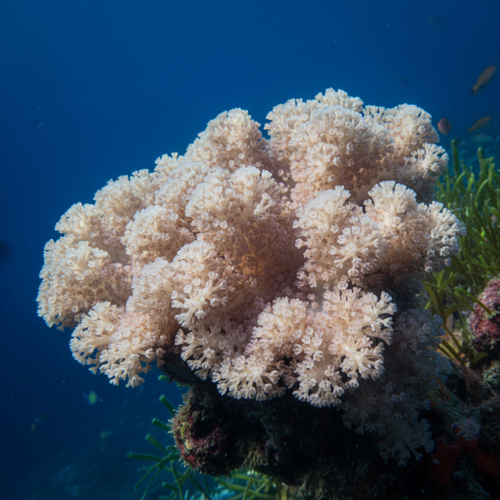
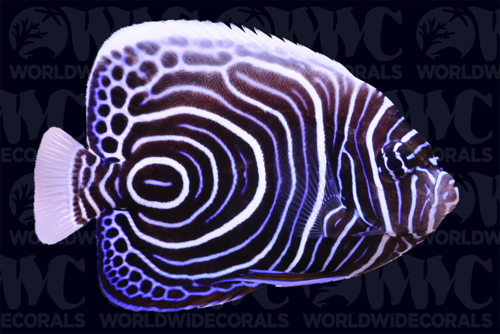
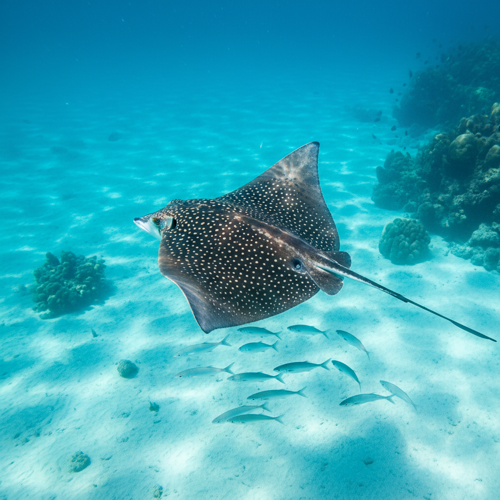
The HMAS Swan wreck has become a vibrant ecosystem, attracting a wide variety of marine life. Divers can expect to encounter large schools of fish such as trevally, snapper, and barracuda, which often congregate around the structure. The wreck's surfaces are colonized by an array of soft corals, sponges, and anemones, providing habitat for smaller creatures like nudibranchs, crabs, and various reef fish including angelfish and butterflyfish. Larger pelagic species occasionally visit the site, and resident wobbegong sharks or rays may be spotted resting on or near the wreck.
Known for its clear water, the HMAS Swan offers excellent visibility, making it suitable for both wide-angle photography of the wreck and macro photography of its resident marine life. The best time to visit is generally from late spring through autumn (October to May) when water temperatures are warmer and conditions are typically calmer. For freedivers, the shallower parts of the wreck, with an average depth of 13 meters, offer ample exploration opportunities. Divers should maintain good buoyancy control, especially if considering wreck penetration, and be mindful of potential entanglement hazards.