Egypt
Top 5 Dive & Snorkel Destinations in Egypt
A guide to exploring the Red Sea's legendary reefs and wrecks.
What? You also want to visit Egypt? :) Good choice! But when?
You should know that all year round Egypt's water temperature never drops below 20, and in summer times it can go up to 28 degrees. The most comfortable time is considered to be from April to June and from September to November. But we have been to Egypt during Christmas and New Year times, it was definitely chilly in the ocean without a wetsuit, but on land, the temperature is perfect with plenty of sunshine.
Egypt's Red Sea is a bucket-list destination for underwater enthusiasts. Offering crystal-clear visibility, vibrant coral reefs teeming with life, and accessible shore diving, it caters to everyone from first-time snorkelers to technical wreck divers. It's famous for hammerheads dugongs, and also those beautiful small fishes in clear blue ocean! Like an aquarium.
Here are some recommendations for you if you are not sure where to visit for diving and snorkeling.
1. Ras Mohammed National Park (Sharm El Sheikh)
Here it's not just the water, the land is beautiful as well. The best part is that if you are just snorkeling/freediving, you don't need a boat, you can just come and jump in!
Located at the tip of the Sinai Peninsula where the Gulf of Suez meets the Gulf of Aqaba, this is Egypt's oldest national park. The currents here bring nutrient-rich water, fueling the growth of massive gorgonian fans and soft corals. It's famous for dramatic vertical walls that drop into the abyss.
Huge schools of snappers and batfish, barracuda tornados at Shark & Yolanda Reef, and pristine coral gardens. Snorkelers can enjoy the shallow, colorful reefs right off the beach at spots like Marsa Bareika.
Pro Tip: If you're diving Shark & Yolanda Reef, look for the "toilets" – part of the cargo from the sunken Yolanda wreck that has become a hilarious photo op.
Best For: Freediving, Snorkeling, Diving
Peak Season: September to November (warm water, comfortable air temps)
Difficulty: All Levels
2. SS Thistlegorm
Considered one of the top wreck dives in the world. This British armed merchant navy ship was bombed by the Germans in WWII (1941) while carrying supplies to North Africa. It sits upright at about 30 meters, acting as an underwater museum.
History frozen in time. You can swim past Bedford trucks, Norton 16H motorcycles, rifles, and even steam locomotives blown off the deck. The wreck is also inhabited by resident batfish, crocodile fish, and schools of fusiliers.
Pro Tip: This is a popular site. Try to book a liveaboard or an early bird day boat to arrive before the crowds descend from Sharm El Sheikh.
Best For: Scuba (Advanced)
Peak Season: March to November
Difficulty: Advanced (Deep, often strong currents)
3. The Blue Hole (Dahab)
A submarine sinkhole around 120m deep, famous for its deep blue hue and lack of currents within the hole itself. It's a mecca for freedivers training depth.
Snorkelers and recreational divers stick to "The Saddle," a shallow coral garden teeming with anthias and parrotfish. Technical divers venture to "The Arch," a tunnel at 56m connecting the hole to the open ocean (requires specialized training).
Pro Tip: Don't just stay in the hole. Enter at "The Bells" (a chimney north of the Blue Hole) and drift dive along the wall towards the Blue Hole for a spectacular wall dive.
Best For: Freediving, Tech Diving & Snorkeling
Peak Season: Year-round (Summer is hot!)
Difficulty: Mixed (Snorkeling is easy; The Arch is for Tech Divers only)
4. Abu Dabbab (Marsa Alam)
Best For: Snorkeling & Easy Scuba & families
Peak Season: Year-round
Difficulty: Beginner
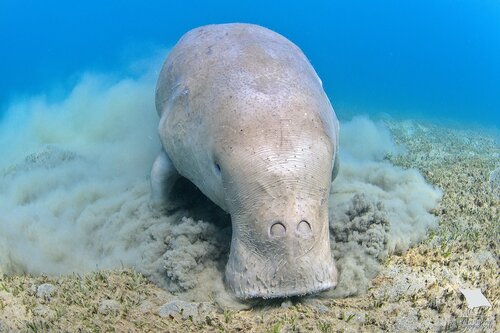
While divers usually chase coral walls, Abu Dabbab is famous for its sandy bottom and seagrass beds. It is one of the few places in the world where you have a high chance of spotting the elusive Dugong.
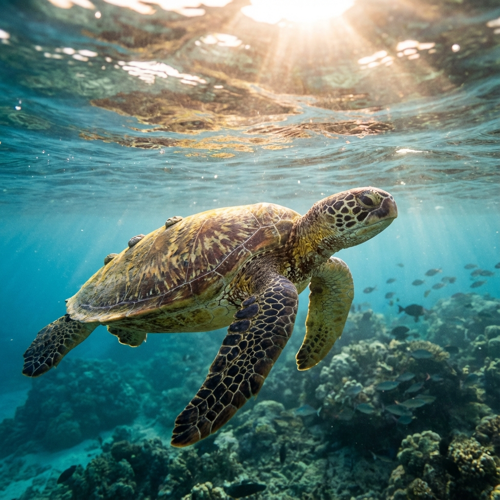
Resident Green Sea Turtles (huge ones!), guitar sharks, and if you are lucky, the resident Dugongs grazing on the seagrass. The shallow depth makes it perfect for snorkelers and photographers who want long bottom times.
Pro Tip: Go early in the morning for the best chance to see the Dugongs before the day-trip boats stir up the sand.
5. The Brothers (El Akhawein)
Best For: Scuba (Liveaboard Only)
Peak Season: September to November
Difficulty: Advanced (Open ocean, strong currents)
Why go here:
Two small islands (Big Brother and Little Brother) rising from the depths in the middle of the Red Sea. They are magnets for pelagic action due to their isolation and strong currents washing over the walls.
What you'll see:
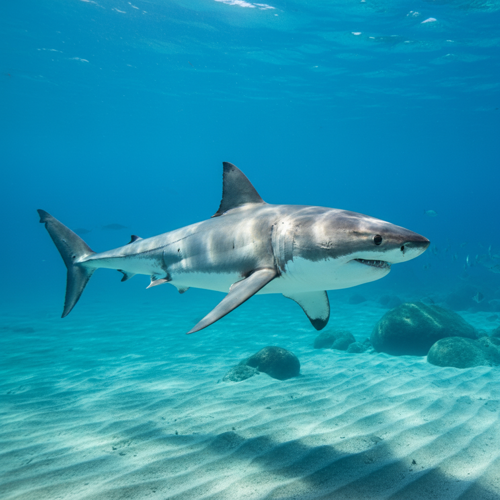
This is big fish territory. Expect Oceanic Whitetip Sharks (Longimanus), Hammerheads, and Grey Reef Sharks patrolling the walls. The soft corals here are also vibrant and healthy.
Pro Tip: Diving with Oceanic Whitetips requires caution. Keep vertical, watch your surroundings, and follow your guide's safety briefing strictly.
Practical Planning
Getting There: Fly into Sharm El Sheikh (SSH) for Ras Mohammed, Thistlegorm, and Dahab. Fly into Marsa Alam (RMF) for Abu Dabbab and southern liveaboards. Hurghada (HRG) is a central hub for many liveaboards departing for The Brothers.
Gear Recommendations: A 3mm wetsuit is standard for summer/autumn. In winter (Jan-March), a 5mm or even 7mm/semi-dry is recommended as the water drops to 21-22°C and the wind can be chilly. Surface Marker Buoys (SMBs) are mandatory for offshore diving.
Conservation: The Red Sea is fragile. Strictly no touching anything. Gloves are often forbidden to discourage touching. Please use reef-safe sunscreen or wear a rash guard to protect the corals.
Conclusion
Egypt offers a diversity that is hard to beat. If you want history and wrecks, head to the north. If you want chill vibes and shore diving, go to Dahab. If you want big sharks and pristine reefs, a liveaboard to the Brothers or the deep south is your best bet. Which one calls to you?