← All marine life
Seal
Group

Seal

Phocidae, Gray, 1821

marinebrackishfreshwater
Where to see it

About Seal

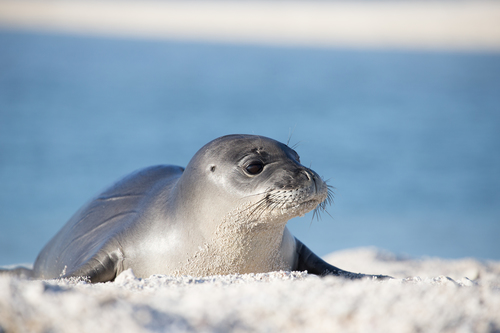
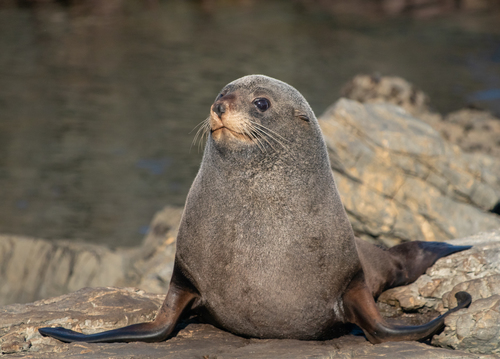
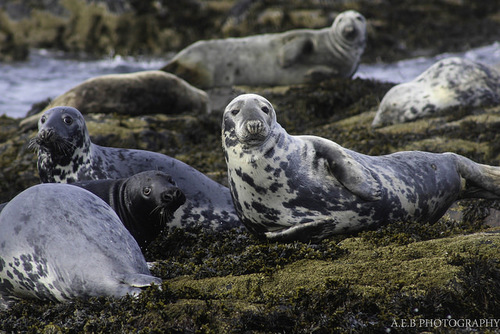
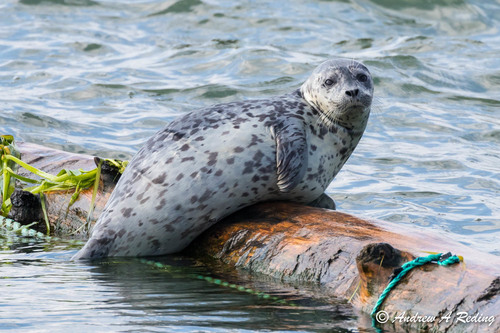
The earless seals, also known as phocids or true seals, are one of the three main groups of mammals within the seal lineage, Pinnipedia. All true seals are members of the family Phocidae. They are sometimes called crawling seals to distinguish them from the fur seals and sea lions of the family Otariidae. Seals live in the oceans of both hemispheres and, with the exception of the more tropical monk seals, are mostly confined to polar, subpolar, and temperate climates. The Baikal seal is the only species of exclusively freshwater seal.

Appearance

Adult phocids vary from 1.17 m (3.8 ft) in length and 45 kg (99 lb) in weight in the ringed seal to 5.8 m (19 ft) and 4,000 kg (8,800 lb) in the southern elephant seal, the largest member of the order Carnivora. Phocids have fewer teeth than land-based members of the Carnivora, although they retain powerful canines. Some species lack molars altogether. The dental formula is:
Diet

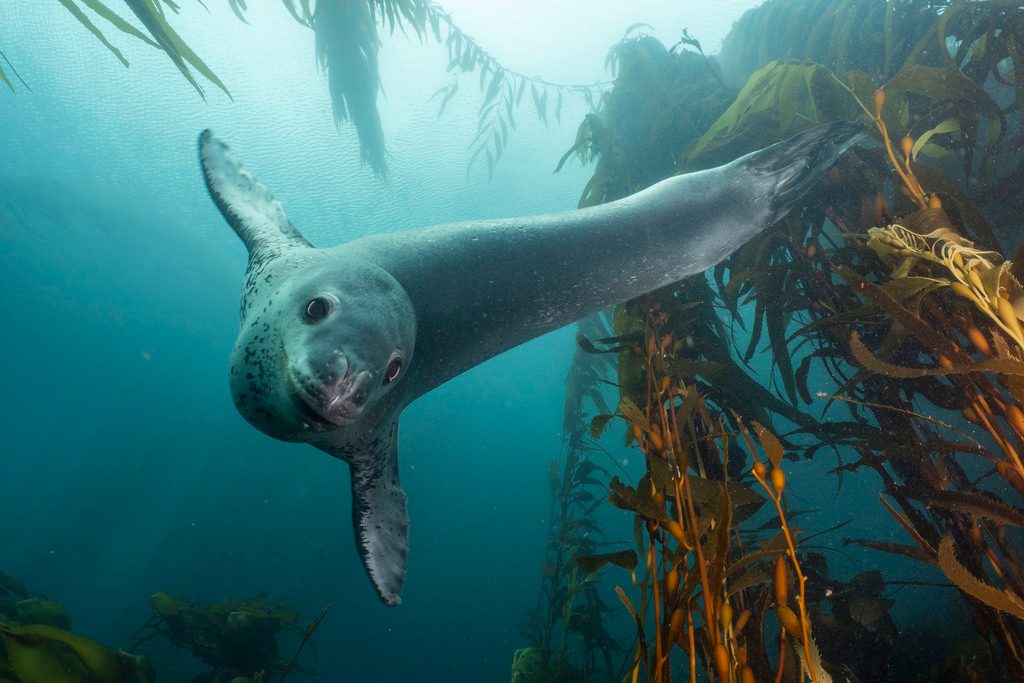
Phocids make use of at least four different feeding strategies: suction feeding, grip-and-tear feeding, filter feeding, and pierce feeding. Each of these feeding strategies is aided by a specialized skull, mandible, and tooth morphology. However, despite morphological specialization, most phocids are opportunistic and employ multiple strategies to capture and eat prey. For example, the leopard seal, Hydrurga leptonyx, uses grip-and-tear feeding to prey on penguins, suction feeding to consume small fish, and filter feeding to catch krill.

Reproduction

Phocids spend most of their time at sea, although they return to land or pack ice to breed and give birth. Pregnant females spend long periods foraging at sea, building up fat reserves, and then return to the breeding site to use their stored energy to nurse pups. However, the common seal displays a reproductive strategy similar to that used by otariids, in which the mother makes short foraging trips between nursing bouts.

Species in this group

Where to see it

Top-rated dive sites where divers have spotted Seal.

Forillon National Park

Forillon National Park

⭐ 4.0 Scout Score
Canada, Gasp Forillon National Park
Shallow, cold water snorkeling with seals, lobsters, and fish.
👣 Shore Beginner