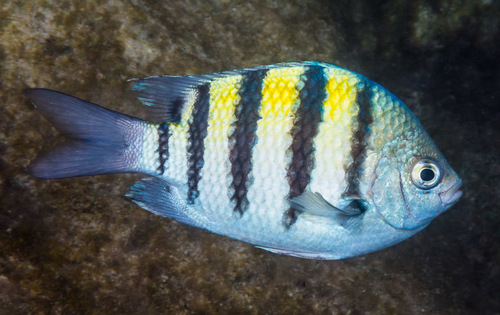
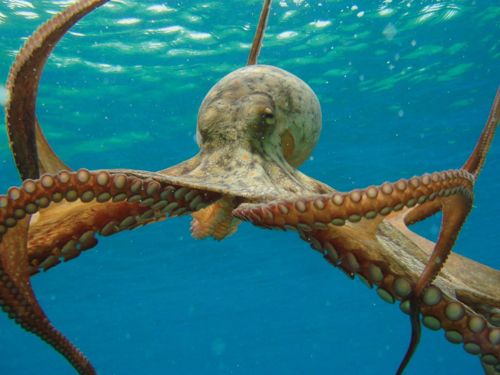
Locals call them the rock piles: dozens of garage-sized limestone boulder pods spread over 16 acres of sand in 6–12 ft (2–4 m) of water, built by Palm Beach County in 2009–10 to replace natural hardbottom buried by beach renourishment, and deliberately placed within swimming distance of shore. Park in the free lot on the Intracoastal side of A1A at Ocean Inlet Park, cross to the beach and walk south past the lifeguard towers to the discharge pipe that marks the end of the guarded zone. From there the reef shows as dark patches offshore; the pods get bigger the farther south you go. Expect clouds of sergeant majors and grunts, porkfish and snapper under the ledges, filefish and puffers in the open, and a fair chance of a southern stingray, nurse shark or green turtle on the sand between pods.
Go on a rising or high tide after a few dry, calm days: low tide or recent rain flushes brown lagoon water out of the inlet and visibility collapses. Swim out with a dive flag and check which way you drift before committing. Stay well south of the jetty: the inlet channel is off-limits to scuba, runs ripping tidal currents that have killed swimmers on the unguarded north side, and funnels tens of thousands of boats a year past the reef. Portuguese man-o'-war season runs November to April. The Army Corps beach renourishment south of the inlet that began in March 2026 may muddy the water and partly bury the inshore pods for a while.