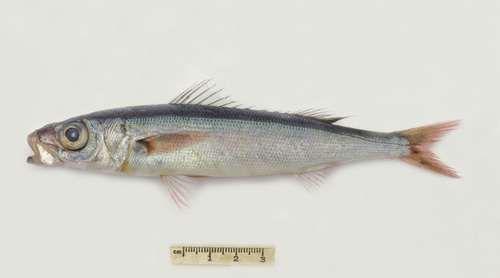
If there is one place every snorkelling boat out of Neiafu ends up, it's Swallows Cave. A tall, jagged slit in the limestone at the northwestern point of Kapa Island opens into a sea cave big enough to drive a dinghy into, and beneath the surface a school of silver baitfish so dense it moves like a single animal.
You approach by boat. Kapa is uninhabited on this side and there's no shore access, so you arrive either on a tour boat, a resort kayak, or your own tender from a yacht (the water off the mouth is far too deep to anchor, so the mothership stays out and you go in by dinghy). The entrance is roughly 10 m high and 6 m across, and in calm weather small boats can nose inside and tie off to a rock pinnacle at the back.
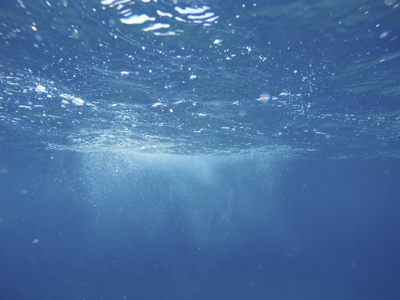
Drop in and the first thing you notice is the light. The mouth faces west, so from mid-afternoon the sun angles straight in and lights the interior in layers of blue, with shafts breaking through small holes in the ceiling. The second thing you notice is the fish: thousands of small silver baitfish sheltering in the cave from the trevally and tuna that hunt the point outside. They part around you as you swim through, then close up again behind you. Reef fish and coral cluster around the entrance; the cave walls themselves are mostly bare rock, which only makes the fish more striking.
Look up and the cave is alive too. The ceiling and crevices are full of nesting swiftlets, the birds that give the cave both its English name and its Tongan one, 'Ana Pekapeka. At the surface you'll also spot inscriptions scratched into the wall by visitors going back to the late 1800s, and there's a second, drier chamber you can scramble into from the water.
Snorkelling is the way most people see it. The cave is only around 5 m deep near the mouth, the water is warm and clear, and you can float above the baitball watching the light play.
Scuba turns it into a proper dive site. The floor of the main chamber drops to around 18 m. On the way back out there's a swim-through at roughly 12 m on the south side of the entrance; turn left along the outside wall and you'll reach another cave at about 20 m, or turn right and follow the wall at 12–15 m. In settled weather it's also a well-regarded night dive.