
← All marine life
Fish
Group

Fish

Actinopterygii

marinebrackishfreshwater
Where to see it

About Fish

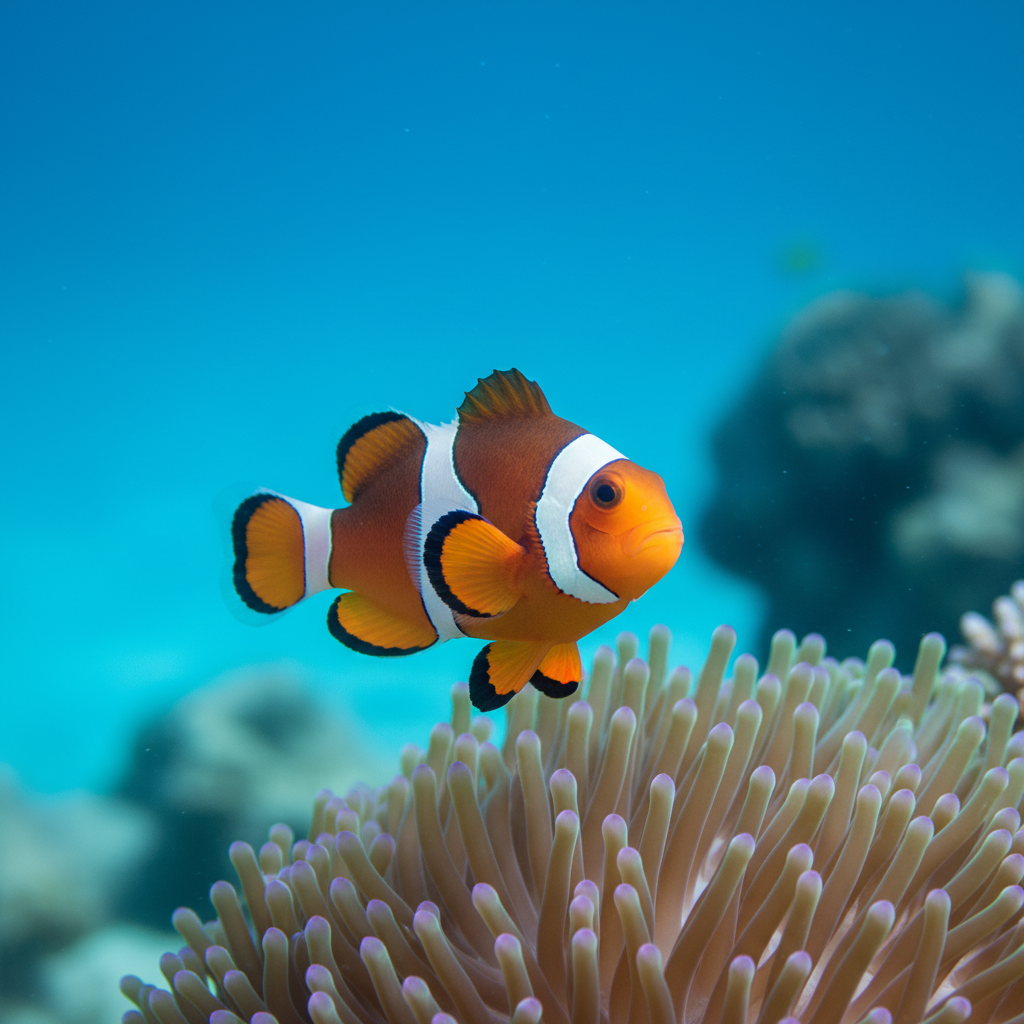
Actinopterygii ( ; from Ancient Greek ἀκτίς (aktís) 'ray, beam' and πτέρυξ (ptérux) 'wing, fins'), members of which are known as ray-finned fish or actinopterygians, is a class of bony fish that constitutes nearly 99% of the over 30,000 living species of fish. The vast majority of extant actinopterygian species are teleosts, and by species count they dominate the subphylum Vertebrata, comprising over 50% of all living vertebrates. They are the most abundant nektonic aquatic animals and are ubiquitous throughout freshwater, brackish and marine environments from the deep sea to subterranean waters to the highest mountain streams. Extant species can range in size from Paedocypris, at 8 mm (0.3 in), to the giant sunfish, at 2,700 kg (6,000 lb), and the giant oarfish, at 8 m (26 ft) (or possibly 11 m (36 ft)). The largest ever known ray-finned fish, the extinct Leedsichthys from the Jurassic, is estimated to have grown to 16.5 m (54 ft).

Appearance

Ray-finned fishes occur in many variant forms. The main features of typical ray-finned fish are shown in the adjacent diagram.

The swim bladder is a more derived structure and used for buoyancy. Except from the bichirs, which just like the lungs of lobe-finned fish have retained the ancestral condition of ventral budding from the foregut, the swim bladder in ray-finned fishes derives from a dorsal bud above the foregut. In early forms the swim bladder could still be used for breathing, a trait still present in Holostei (bowfins and gars). In some fish like the arapaima, the swim bladder has been modified for breathing air again, and in other lineages it has been completely lost.

The teleosts have urinary and reproductive tracts that are fully separated, while the Chondrostei have common urogenital ducts, and partially connected ducts are found in Cladistia and Holostei.
Habitat

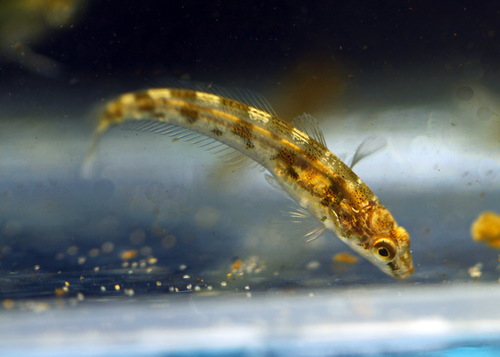
Ray-finned fish vary in size and shape, in their feeding specializations, and in the number and arrangement of their ray-fins.

Reproduction

In nearly all ray-finned fish, the sexes are separate, and in most species the females spawn eggs that are fertilized externally, typically with the male inseminating the eggs after they are laid. Development then proceeds with a free-swimming larval stage. However other patterns of ontogeny exist, with one of the commonest being sequential hermaphroditism. In most cases this involves protogyny, fish starting life as females and converting to males at some stage, triggered by some internal or external factor. Protandry, where a fish converts from male to female, is much less common than protogyny.

Species in this group

Where to see it

Top-rated dive sites where divers have spotted Fish.

Long Dong #1 龍洞 1號
👣 Shore Beginner
Calanque de Sormiou

Calanque de Sormiou

⭐ 4.0 Scout Score
France, Marseille Calanques National Park
Beautiful shallow calanque with vibrant marine life and clear waters.
🚤 Shore & Boat Beginner
Dolphin Coast Tidal Pools

Dolphin Coast Tidal Pools

⭐ 4.0 Scout Score
Shallow, sheltered tidal pools perfect for beginners and macro life.
👣 Shore Beginner
Calanque de Port Pin

Calanque de Port Pin

⭐ 3.0 Scout Score
France, Cassis Calanques National Park
Sheltered, shallow Calanque ideal for snorkeling with fish and octopus.
👣 Shore Beginner
Caesarea National Park

Caesarea National Park

⭐ 4.0 Scout Score
Israel, Caesarea Caesarea National Park
Ancient Roman port with archaeological ruins, diverse fish, and invertebrates.
👣 Shore Beginner
Ma An Reef 野銀馬鞍礁
🚤 Boat Advanced
Cala Codolar

Cala Codolar

⭐ 2.0 Scout Score
Shallow, rocky cove with seagrass, ideal for snorkeling.
👣 Shore Beginner
Junjianyan 軍艦岩

Junjianyan 軍艦岩

Not yet rated
🚤 Boat
Sataya Resort

Sataya Resort

⭐ 4.0 Scout Score
Resort reef in Marsa Alam, excellent snorkeling with corals and turtles.
👣 Shore Beginner
Crique du Squéouel

Crique du Squéouel

⭐ 3.0 Scout Score
Shallow, rocky crique for snorkeling with diverse marine life and seals.
👣 Shore Beginner
Bat Cave 蝙蝠洞公園
👣 Shore Advanced
Lungmenkang 龍門港

Lungmenkang 龍門港

Not yet rated
👣 Shore Beginner
Santo André

Santo André

⭐ 3.0 Scout Score
Shallow rocky cove with kelp forests, fish, and invertebrates.
👣 Shore Beginner
Tunnels Beach

Tunnels Beach

⭐ 4.0 Scout Score
Kauai's best shallow reef for snorkeling, turtles, monk seals.
👣 Shore Beginner
Praia do Quião

Praia do Quião

⭐ 3.0 Scout Score
Shallow, rocky, sandy waters with kelp, fish and starfish.
👣 Shore Beginner
Plage du Pain de Sucre

Plage du Pain de Sucre

⭐ 4.0 Scout Score
Shallow, calm bay ideal for snorkeling with vibrant coral.
👣 Shore All levels
Punta Vicente Roca

Punta Vicente Roca

⭐ 5.0 Scout Score
Ecuador, Isabela Island Galapagos Marine Reserve
Galapagos' premier snorkeling spot, abundant with turtles, sharks, and rays.
🚤 Boat All levels