On the night of 3 August 1942 the Mahan-class destroyer USS Tucker was escorting a freighter into Espiritu Santo when she turned into Segond Channel and struck a mine laid by the US Navy less than a day earlier; nobody had told her captain the field existed. The blast broke her back and killed three men, and by dawn she had jack-knifed and sunk off the north-west corner of Malo Island while a launch tried to beach her. Navy divers stripped her guns, turbines and anchors within days, later salvors took more, and a 1970s salvage with explosives split what was left. Today it is a debris field about 165 m long on gently sloping sand in 15–24 m, with the stern upright at one end and the bow lying on its port side 80–100 m away.
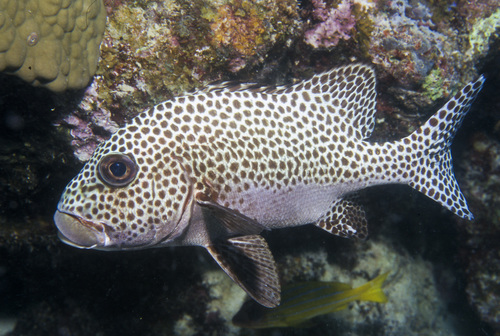
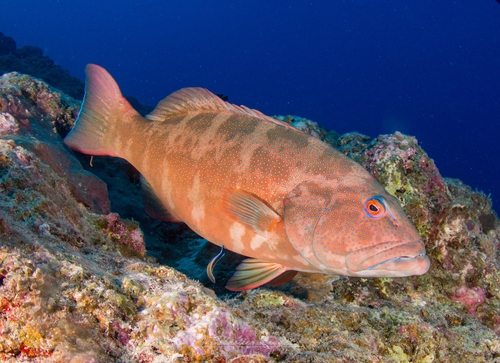
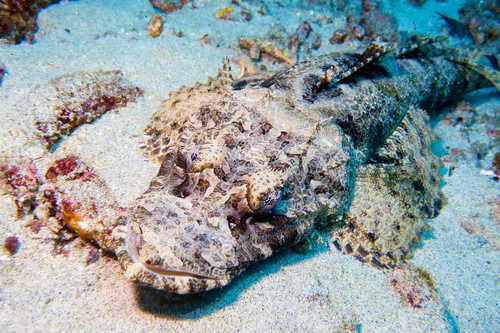
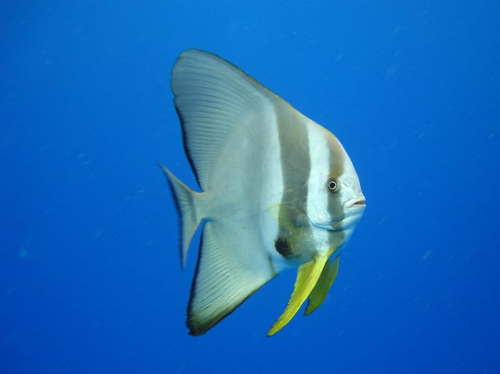
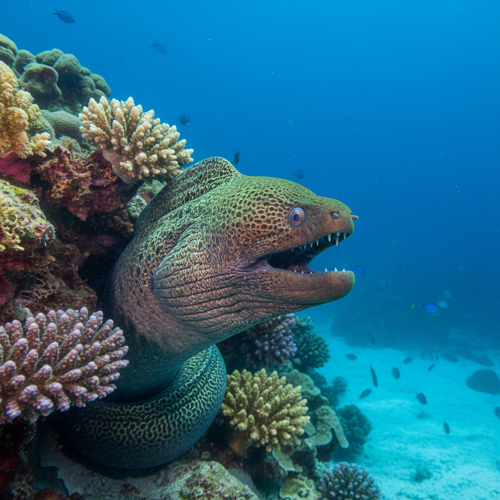
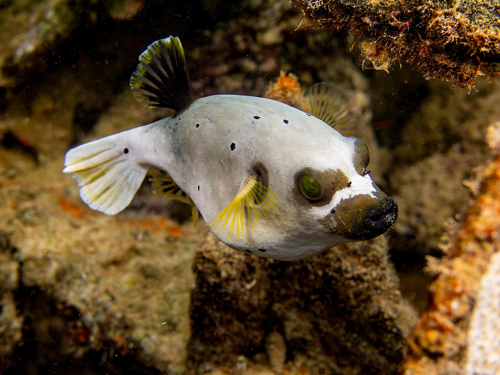
Dives start from the mooring on the stern, the most intact piece: a hatchway still carrying its door, turbines bolted to prop shafts that disappear under the hull, workshop lathes and compartments with wartime ammunition still inside (look, never touch). A trail of boilers, condensers and gearboxes leads across the sand to the bow, where the forward gun mount and several decks of swim-throughs survive. Coral, sponges and sea fans coat the rails and the wreck acts as a nursery: clouds of juvenile fish and glassfish, sweetlips, titan triggerfish, groupers and coral trout, emperor angelfish, crocodilefish, morays and the occasional Napoleon wrasse. Visibility in the tidal channel is often 20–30 m. It is a short boat ride from Luganville and the classic lighter second dive after a morning on the SS President Coolidge. The site is a war grave and artefact removal is prohibited.