This dive site, locally known as Koh Daeng or Red Island, is situated about 30 minutes west of Railay and 30 minutes east of Koh Hong. It's a rock formation offering an easy and enjoyable diving experience, particularly suitable for beginners and children. Navigation is straightforward given its shallow average depth of 7 meters around the rock and coral formations. There is no specific history or wreck mentioned, but its designation as part of a national park highlights its protected status.
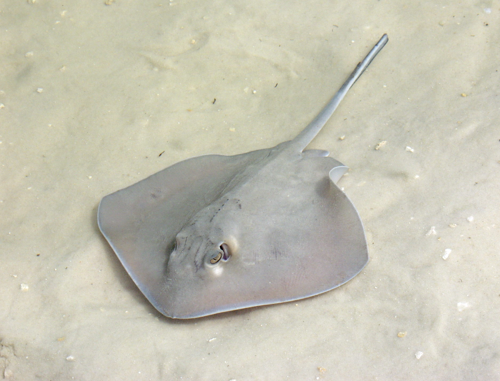
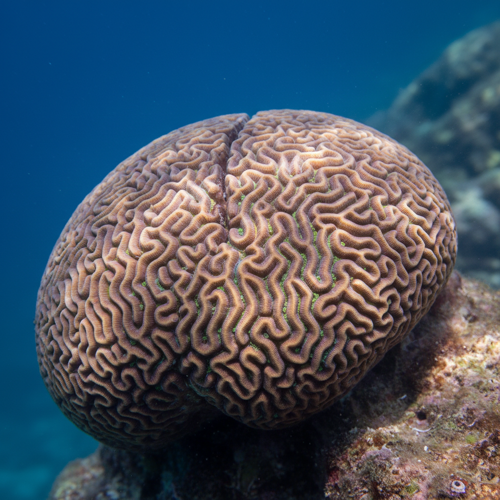
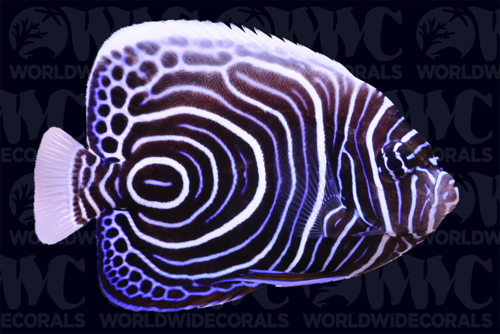
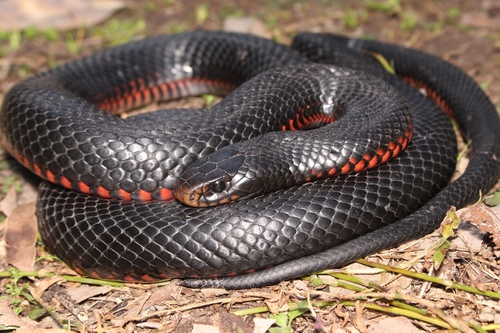
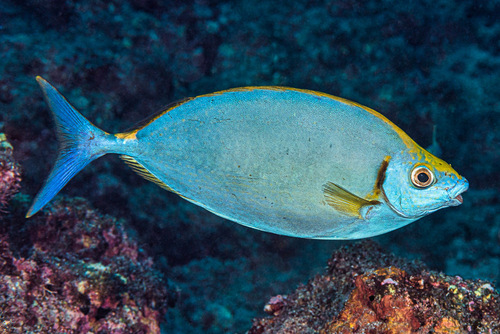
Divers can expect to see a good mixture of wildlife and vibrant corals. Common sightings include schooling fishes, various snails, stingrays resting on the sandy bottom, and elegant angel fish. Keep an eye out for interesting encounters with sea kraits. The diverse coral formations contribute to a rich and colorful underwater environment.
The best time to visit Koh Daeng aligns with the general diving season for the Andaman Sea, typically from November to April, offering calm seas and good visibility. This site is excellent for those looking for a relaxed dive, improving skills, or introducing new divers to the underwater world. Its suitability for snorkeling and freediving makes it a versatile destination for all water enthusiasts, offering shallow, clear waters to explore.