This dive site, the Charles L. Brown (affectionately known as the "Charlie Brown"), is a premier wreck dive located off Sint Eustatius, Netherlands. This 100-meter-long former AT&T cable-laying vessel, responsible for laying the first transatlantic cable, was intentionally sunk to create an artificial reef. Divers can explore its expansive structure, including a significant 30-meter passage, offering opportunities for wreck penetration and exploration.
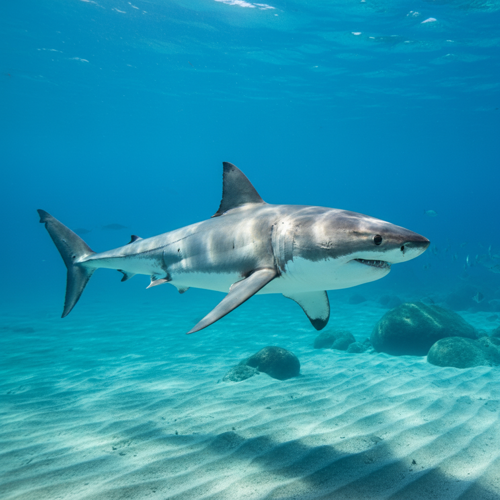
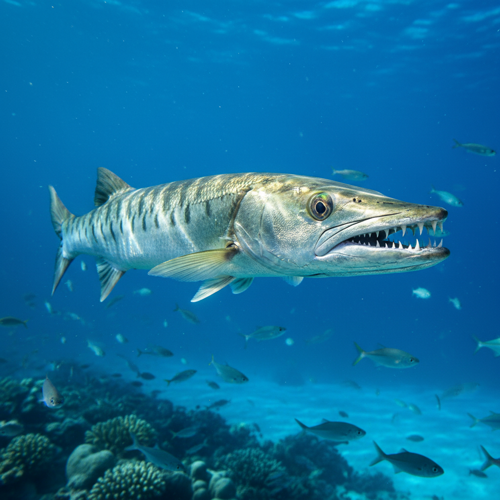
The "Charlie Brown" wreck is a vibrant habitat for diverse marine life. It is renowned for its resident population of various shark species, making it a thrilling encounter for divers. Large cubera snappers are frequently observed, along with the famous resident barracuda, "Charlie." The wreck itself acts as an artificial reef, attracting a multitude of fish and providing a substrate for coral growth over time.
The best time to visit Sint Eustatius for diving is generally during the dry season from December to May, offering optimal visibility and calm seas. This site is particularly appealing for wide-angle photography due to its large structure and big animal encounters. Freedivers will find the 26-meter maximum depth accessible, while scuba divers can thoroughly explore the wreck's interior. As it's a wreck dive, good buoyancy control is recommended to avoid disturbing the site.