This dive site, La Tortuga, offers a diverse underwater landscape characterized by a rocky bottom and impressive ravines. The topography slopes from a relatively shallow 8 meters down to 40 meters, eventually transitioning to a sandy and boulder-strewn bottom. While no specific history or navigation challenges are detailed, divers can expect to navigate through these rocky structures and kelp forests, which likely require good buoyancy control.
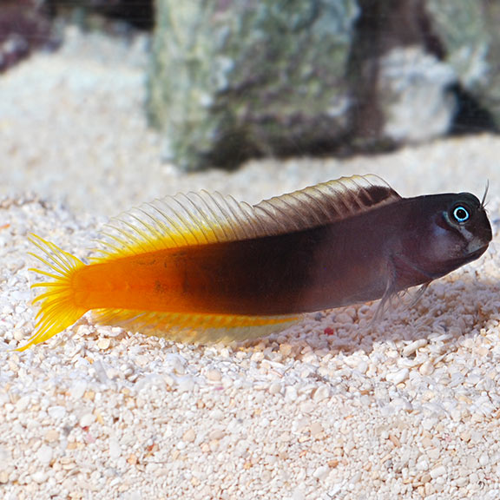
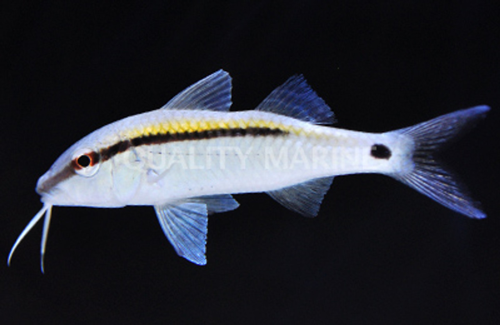
The dominant underwater flora here consists of extensive Kelp forests, specifically Huiro Palo (Lessonia trabeculata), providing a rich habitat for various marine species. Divers can typically encounter small shoals of browns, roundels, and tilefish. In the numerous rocks and crevices, less abundant but interesting sightings include goatfish and blennies, adding to the site's biodiversity.
The optimal time to visit La Tortuga is not specified but generally, the Chilean coast offers better conditions during the warmer months, typically from spring to autumn, when water temperatures might be more comfortable. For freedivers, the moderate depths and captivating kelp forests offer excellent opportunities for exploration and photography. Scuba divers should focus on observing the smaller fish life and appreciating the unique rocky topography and kelp ecosystems.