
Okinawa
Dive Season in Okinawa
October
Marine Life Encounters
Top Sites
Frequently Asked Questions
What's the most popular dive site in Okinawa, Japan?
The Blue Cave (Ao no Dokutsu) at Cape Maeda is arguably the most famous dive site in Okinawa, Japan. Its popularity stems from the mystical blue light that illuminates the cavern as sunlight reflects off the white sandy bottom. It's accessible to both divers and snorkelers, creating a truly magical and highly photogenic underwater experience. Due to its fame, it can be crowded, so an early morning visit is recommended.
What are the good and less popular dive sites in Okinawa, Japan?
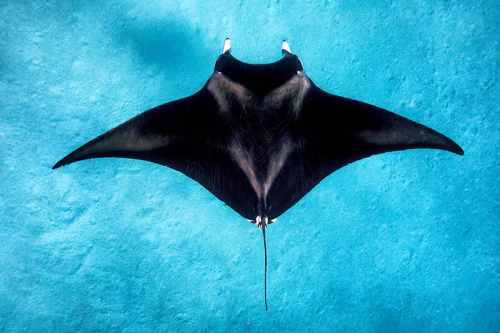
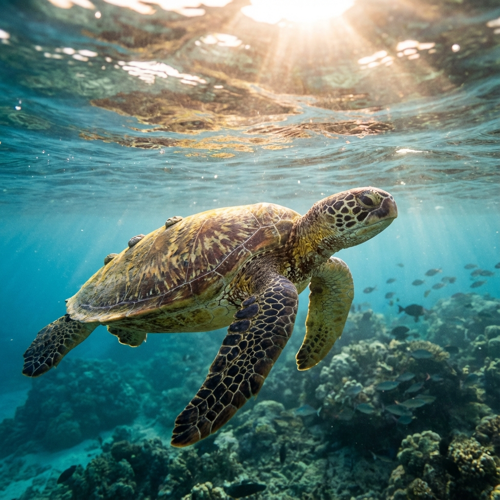
Well-known sites include the Kerama Islands for turtles and high visibility, and the deep wreck of the USS Emmons. For less-crowded gems, explore the waters around Ie Island for dynamic topography. For advanced divers, the remote Yonaguni Monument offers a mysterious structure and schooling hammerheads in winter. Ishigaki Island is another fantastic option, known for its manta ray cleaning stations.
What water temperature is it like throughout the year diving in Okinawa, Japan?
Water temperatures in Okinawa, Japan vary seasonally. In winter (Jan-Mar), expect cooler waters around 20-22°C (68-72°F). During spring and autumn (Apr-Jun, Oct-Nov), temperatures are a pleasant 23-27°C (73-81°F). The summer months (Jul-Sep) offer the warmest conditions, with water temperatures peaking at a balmy 28-30°C (82-86°F), perfect for diving in a thin wetsuit.
When is the best time to visit Okinawa, Japan?
The best times for diving in Okinawa, Japan are typically from May to June and October to November. These periods offer a great balance of warm water, excellent visibility, and pleasant surface conditions while avoiding the peak summer crowds and the main typhoon season (July-September). Winter is also great for specific events like whale watching and seeing hammerheads.
What's the visibility like during the dive season in Okinawa, Japan?
Visibility in Okinawa, Japan is generally excellent, a key reason for its popularity. You can typically expect visibility ranging from 20 to 40 meters (65-130 feet). The water in the Kerama Islands is particularly famous for its clarity, often called 'Kerama Blue,' where visibility can sometimes exceed 50 meters. Conditions are consistently clear outside of occasional storm or typhoon influences.
Are there any seasonal migrations or special events (e.g., manta rays, whale sharks) in Okinawa, Japan?
Yes, Okinawa, Japan hosts incredible seasonal marine events. From January to March, humpback whales migrate to the Kerama Islands to breed and calve. Winter is also the season for schooling hammerhead sharks off Yonaguni Island. Manta rays are frequently spotted at cleaning stations around Ishigaki Island from June to November. Spring brings the spectacular mating season of broadclub cuttlefish.
What marine life can I expect to see in Okinawa, Japan?
The waters of Okinawa, Japan are teeming with life. You can commonly encounter sea turtles (green, hawksbill, and loggerhead), anemonefish in vibrant anemones, reef sharks, and huge schools of fusiliers. Depending on the island and season, you may also see manta rays, humpback whales, hammerhead sharks, broadclub cuttlefish, and a vast array of macro life like nudibranchs and pygmy seahorses in the colorful coral reefs.
What thickness wetsuit should I wear in Okinawa, Japan?
In summer (June-Oct), a 3mm shorty or even a rash guard is often sufficient. For the shoulder seasons of spring and autumn, a 5mm full wetsuit is recommended for comfort on multiple dives. During the cooler winter months (Dec-Mar), a 5mm to 7mm wetsuit or a dry suit is advisable to stay warm in the 20-22°C (68-72°F) water, especially when whale watching.
How do I get to Okinawa, Japan?
The primary international and domestic gateway to Okinawa, Japan is Naha Airport (OKA) on the main island. It receives frequent flights from major Japanese cities like Tokyo and Osaka, as well as direct flights from several Asian hubs. From Naha, you can use an extensive network of domestic flights and ferries to access other islands in the archipelago, such as Ishigaki, Miyako, and the Kerama Islands.
Should I book a liveaboard or stay on shore in Okinawa, Japan?
Staying on shore is the most common way to dive in Okinawa, Japan. Numerous resorts and dive shops offer daily boat trips to nearby sites, providing flexibility and access to local culture. Liveaboards are less common but are an excellent option for dedicated divers wanting to explore more remote and distant locations, such as the Yonaguni monument or undertaking multi-day trips through the Yaeyama Islands.