
Raja Ampat
Dive Season in Raja Ampat
October
Marine Life Encounters

Top Sites
Frequently Asked Questions
What's the most popular dive site in Raja Ampat, Indonesia?
Cape Kri is arguably the most famous dive site in Raja Ampat, Indonesia. It holds a world record for the highest number of fish species (374!) identified on a single dive. Its popularity stems from this incredible density and diversity of marine life, featuring massive schools of trevallies, barracuda, and sweetlips alongside vibrant, healthy coral slopes. The sheer spectacle of fish biomass makes it a must-see for every visitor.
What are the good and less popular dive sites in Raja Ampat, Indonesia?
Well-known sites include the manta cleaning station 'Manta Sandy' and the current-swept seamount 'Blue Magic'. For less-trafficked but equally stunning dives, explore the southern region of Misool, with sites like 'Boo Windows' or 'Magic Mountain'. In the north, 'Melissa's Garden' offers a vast, pristine hard coral field that is breathtaking. These hidden gems provide a more serene experience away from the main dive circuits.
What water temperature is it like throughout the year diving in Raja Ampat, Indonesia?
Water temperatures in Raja Ampat, Indonesia, are consistently warm and stable throughout the year. You can expect temperatures ranging from 28°C to 30°C (82°F to 86°F) on almost any given day. There is very little seasonal variation, making it a comfortable diving destination year-round. Some deeper sites or areas with upwellings might occasionally dip to 27°C (81°F), but this is uncommon.
When is the best time to visit Raja Ampat, Indonesia?
The best time to visit Raja Ampat, Indonesia, is during the dry season, from October to April. This period offers the calmest sea conditions and sunniest weather, which is ideal for both diving and surface intervals. While diving is possible year-round, the monsoon season from June to September can bring stronger winds and rougher seas, sometimes limiting access to certain exposed dive sites, particularly in the southern Misool area.
What's the visibility like during the dive season in Raja Ampat, Indonesia?
During the prime dive season (October-April), underwater visibility in Raja Ampat, Indonesia, is generally very good, ranging from 15 to 30 meters (50 to 100 feet). However, visibility can be variable due to the nutrient-rich waters that support its immense biodiversity. Plankton blooms, while reducing visibility, are a positive sign as they attract large filter feeders like manta rays and whale sharks to the area.
Are there any seasonal migrations or special events (e.g., manta rays, whale sharks) in Raja Ampat, Indonesia?
Yes, Raja Ampat, Indonesia, is a fantastic destination for manta rays. While they can be seen year-round, congregations are most common at cleaning stations like Manta Sandy and Manta Ridge during the main diving season (October-May) when plankton is abundant. Whale shark encounters are less predictable and more a matter of luck, though they are sighted sporadically throughout the region, often near fishing platforms (bagans).
What marine life can I expect to see in Raja Ampat, Indonesia?
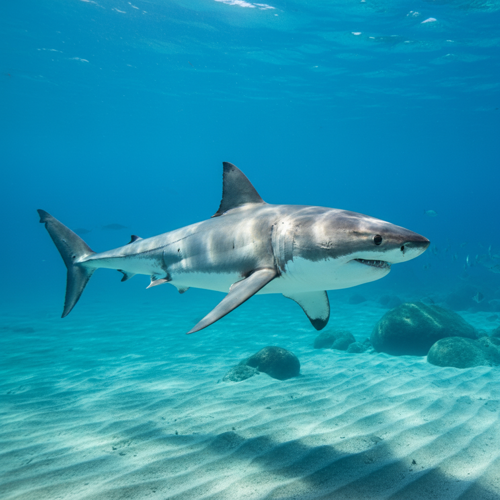
Expect unparalleled diversity. You will see massive schools of fish, including jacks, barracuda, and fusiliers. It is home to unique species like the wobbegong shark and the Raja Ampat walking shark. Pygmy seahorses, countless nudibranch species, manta rays, reef sharks (blacktip, whitetip, grey reef), and sea turtles are common encounters. The sheer volume and variety of both macro and pelagic life is the key attraction of diving in Raja Ampat, Indonesia.
What thickness wetsuit should I wear in Raja Ampat, Indonesia?
Given the consistently warm water temperatures of 28-30°C (82-86°F), a 3mm wetsuit, either shorty or full-length, is sufficient for most divers in Raja Ampat, Indonesia. Some divers are comfortable in a rash guard and shorts. A full-length suit is recommended for sun protection and to guard against potential stings or scrapes on the reef. Ultimately, personal comfort and thermal preference should guide your choice.
How do I get to Raja Ampat, Indonesia?
The main gateway to Raja Ampat, Indonesia, is the city of Sorong (SOQ). Most international travelers fly into major Indonesian hubs like Jakarta (CGK) or Denpasar (Bali, DPS) and then take a domestic flight to Sorong. From Sorong, you will either board your pre-booked liveaboard vessel directly or take a public ferry (around 2 hours) to Waisai, the capital of the Raja Ampat regency, to reach local resorts and homestays.
Should I book a liveaboard or stay on shore in Raja Ampat, Indonesia?
A liveaboard is the best option to experience the vastness of Raja Ampat, Indonesia, allowing you to visit remote sites in both the northern (Dampier Strait) and southern (Misool) areas on a single trip. Shore-based stays, from luxury resorts to local homestays, offer a more relaxed pace and cultural immersion, focusing on the dive sites within a specific region. Your choice depends on your budget, time constraints, and how much of the archipelago you wish to explore.