This dive site, the Blue Belt Wreck, often called the "Toyota Wreck," is the remains of a 103-meter Saudi Arabian general cargo vessel. Launched in 1950, her final voyage in 1977 saw her carrying Toyota vehicles and spare parts from Jeddah to Port Sudan when she tragically struck a reef. Today, she lies impressively upside down on a slope, with diveable sections accessible from 21 meters down to a maximum recreational depth of 26 meters, though the wreck itself extends much deeper to 90 meters. Exploring this large, inverted structure offers a unique wreck diving experience.
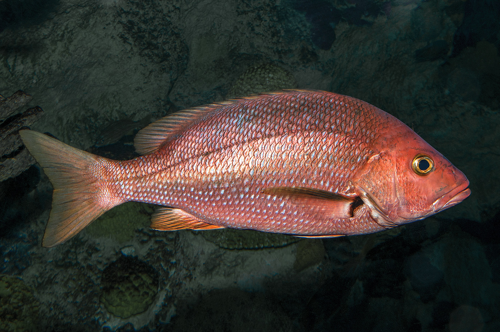
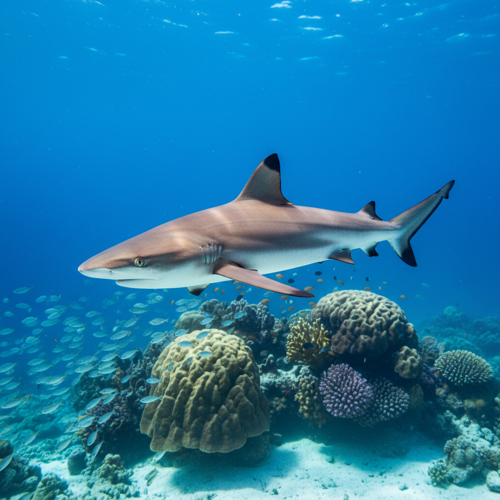
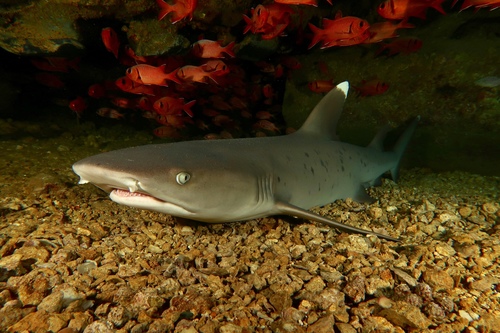
The Blue Belt Wreck is a vibrant artificial reef teeming with marine life. Divers can expect to encounter huge shoals of big eye trevallies and snappers congregating around the wreck. Lunartail groupers are also residents, and the site is frequently visited by white tip reef sharks, adding an exciting element to the dive. The metallic structure provides shelter and foraging grounds for a variety of Red Sea inhabitants.
As no specific best time to visit is provided, general Red Sea diving conditions are usually excellent year-round, with warmer waters from May to November. This site is best suited for intermediate divers due to the complexity of an upside-down wreck and the potential for deeper sections. Divers should possess good buoyancy control and wreck diving awareness to fully appreciate this historically significant and ecologically rich underwater site.