This dive site is located at Punta Santa Anna, featuring a large granite rock formation extending from the point. This submerged rock, ranging from 17 to 3 meters in depth, is responsible for several shipwrecks, leaving behind fascinating archaeological remains such as falconets and cannons dating back to the sixteenth century. Divers can explore these historical remnants along with a variety of underwater topography, including sandy bottoms, posidonia seagrass meadows, and rocky outcrops.
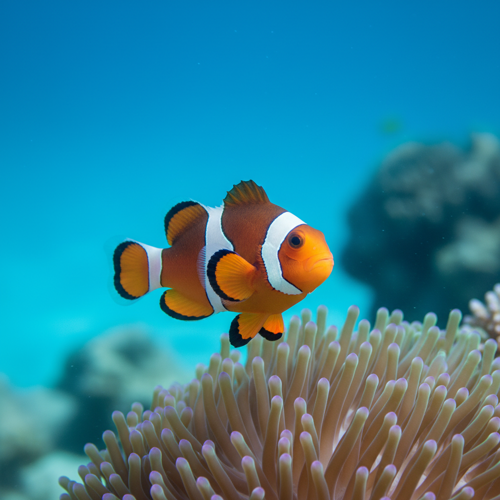
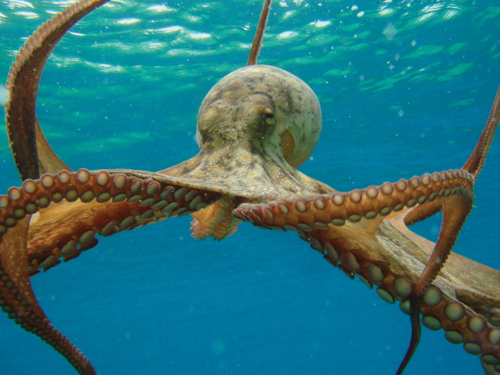
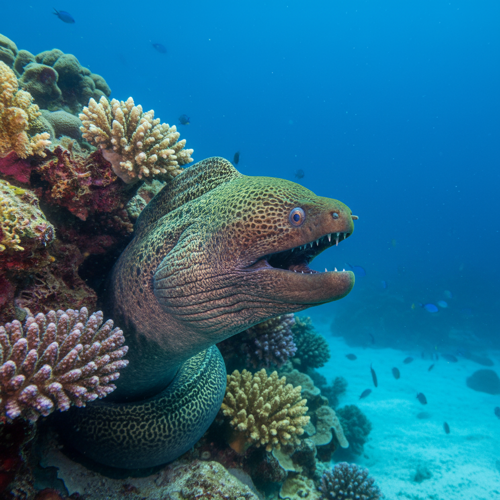
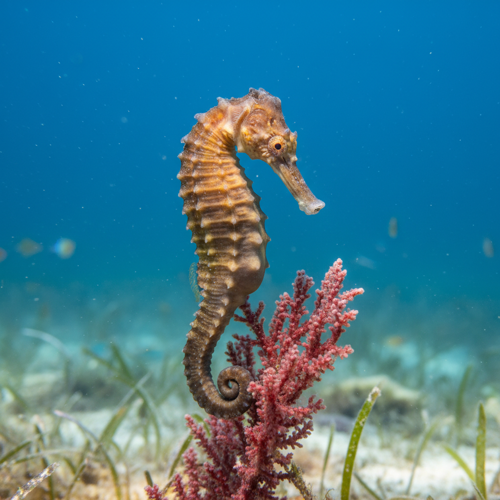
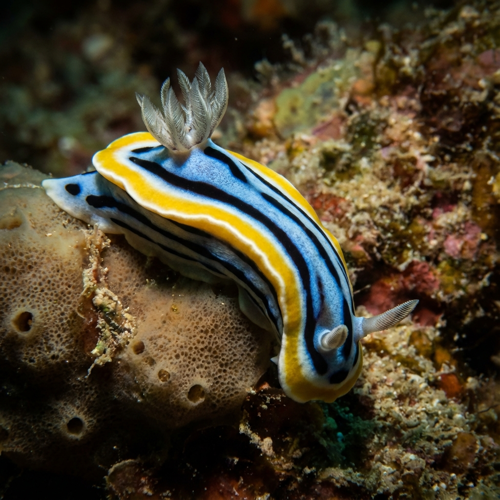
The marine life is diverse and abundant in this area. You can expect to encounter a wide array of fish species, colorful nudibranchs, curious octopuses, shy moray eels, and even the occasional seahorse. The combination of historical artifacts and vibrant marine life makes this a unique and rewarding dive experience.
The best time to visit Punta Santa Anna is during the summer months (June-September) when the water is warmest and clearest. Visibility is generally good, but it can vary depending on weather conditions. For freedivers, the relatively shallow depths and calm conditions (generally) make this a suitable location. Divers should be aware of the potential for mild currents and check the weather forecast before diving.