This dive site is characterized by impressive basaltic columns creating a unique and stunning underwater landscape. Navigating the site is relatively straightforward, following the formations and exploring the nooks and crannies where marine life congregates. While there's no specific historical information provided, the geological formation itself is a significant feature, providing a backdrop for diverse marine life.
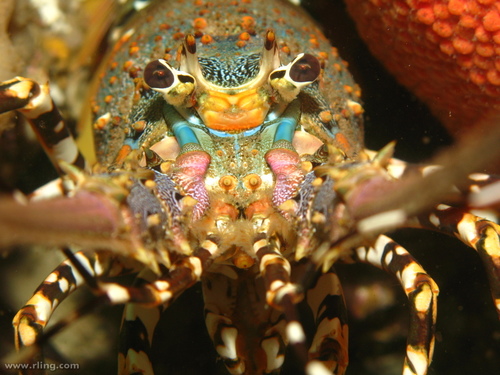
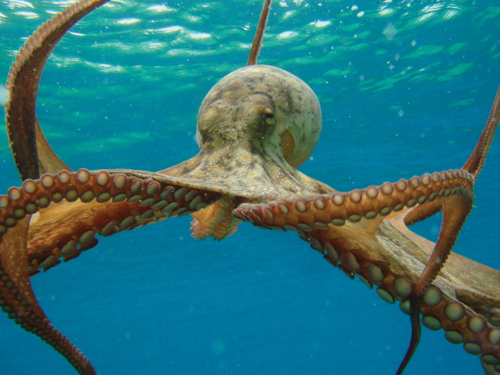
The site is known for its variety of marine life, including octopus, groupers, yellow gorgonians, and greater slipper lobsters, all representative of the rich biodiversity of the Canary Islands. Smaller invertebrates and crustaceans are also abundant, offering opportunities for macro photography.
The best time to visit is likely during the warmer months (spring and summer) when water temperatures are most pleasant and visibility is generally better. Divers should be aware of potential currents, especially at greater depths, and be prepared for cooler water temperatures, even during warmer months. Freediving might be enjoyable with proper planning and awareness of depth limits.