This dive site is the wreck of the SAS Transvaal, resting at an angle on a flat sandy bottom with its bow pointing northeast. The wreck is largely intact, although the mast has fallen to the port side, and the hull structure is showing signs of significant collapse. Caution is advised, and penetration into the wreck is not recommended due to safety concerns. The dive requires careful navigation around the wreck's debris field and attention to the strong currents. The history of the ship and the reason for its sinking is not specified in the provided information, but the wreck itself presents an interesting and challenging underwater landscape.
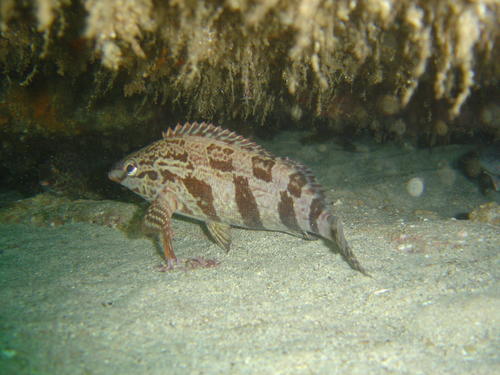
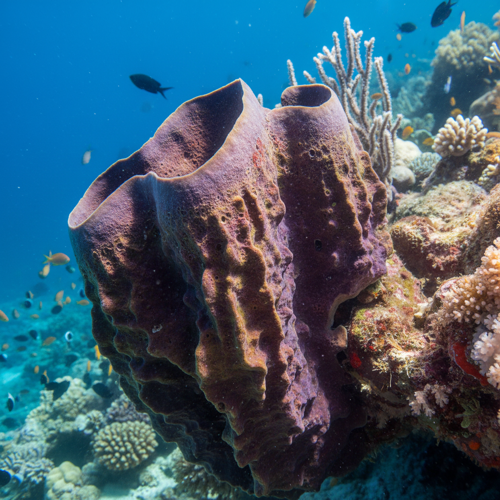
Marine life observed at this site includes sea sponges, horsefish, and Barred Finger Fin fish. The visibility in the water is usually quite green, limiting the ease of spotting all that is there, as well as potentially impacting the quality of underwater photography. Despite this, a variety of smaller fish and invertebrate life likely inhabit the wreck and the surrounding seabed.
The best time to dive the SAS Transvaal is during the winter months in South Africa when currents are less strong. Summer is not a favorable time due to the strong currents and possibly lower visibility. For both divers and freedivers, careful planning and experience with navigating strong currents are essential. Adequate buoyancy control, dive planning, and sufficient experience are crucial for a safe and enjoyable dive.