This dive site encompasses the entire Sea of Cortez, also known as the Gulf of California, a magnificent body of water nestled between Mexico's Baja California peninsula and the mainland. Renowned as 'The World's Aquarium' by Jacques Cousteau, it's a UNESCO World Heritage site celebrated for its exceptional biodiversity. Navigation varies greatly across its numerous dive sites, ranging from gentle slopes to rocky reefs and even deep walls, each offering unique exploration opportunities. There isn't a single history for the entire sea, but its geological formation dates back millions of years, creating a unique marine ecosystem.
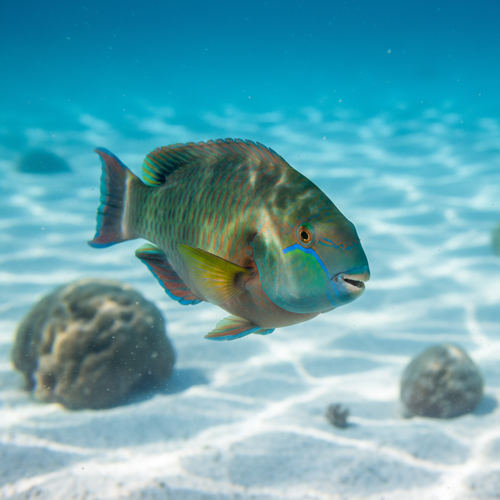
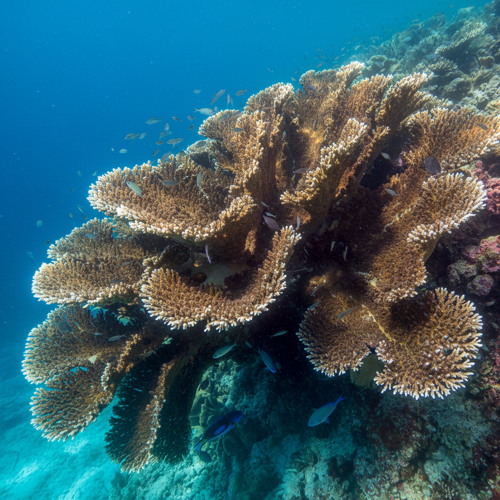
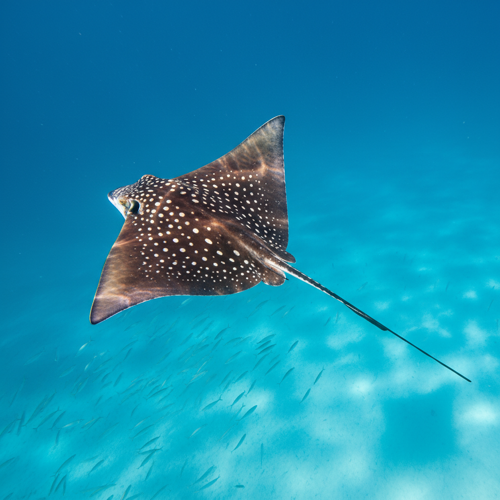
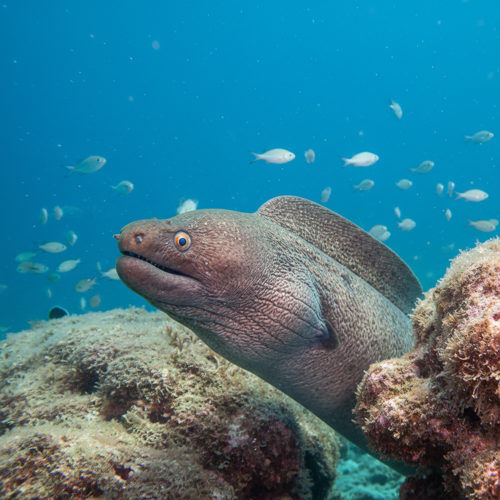
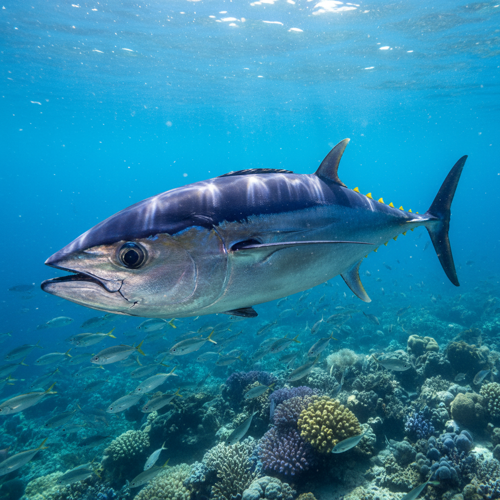
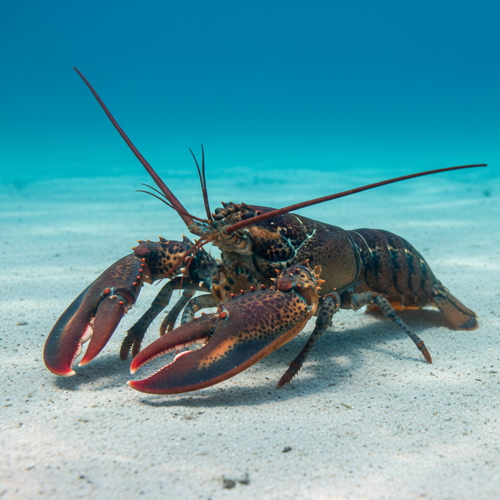
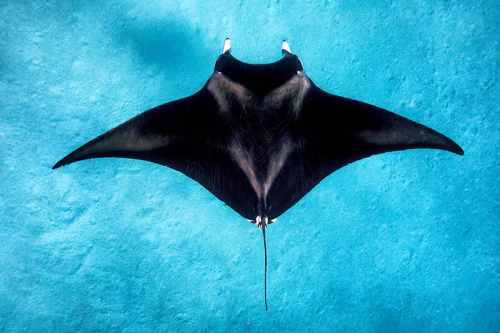
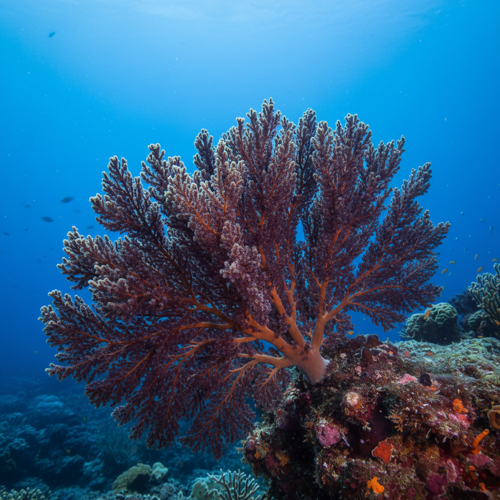
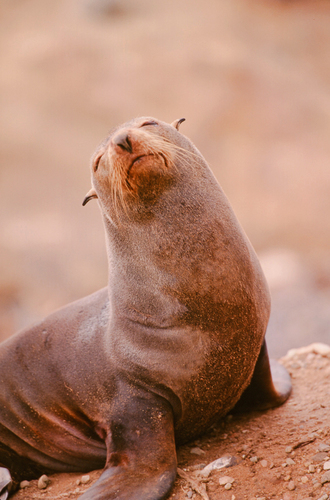
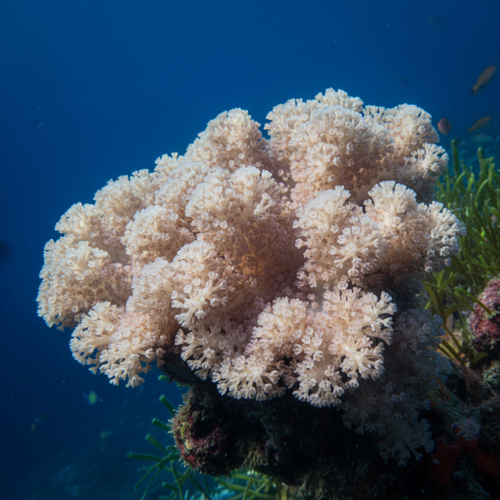
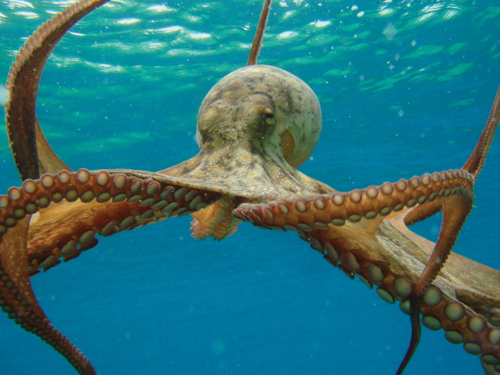
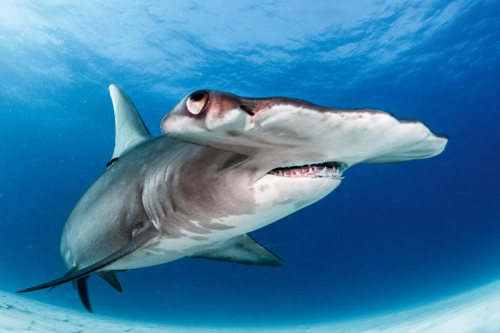
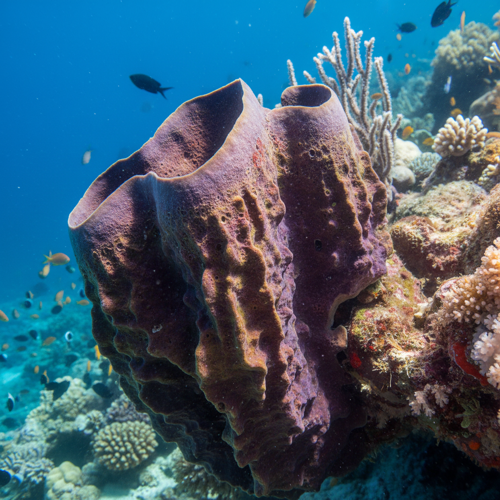
Divers can expect encounters with a spectacular array of marine life, including semi-tropical Pacific species such as playful sea lions, graceful eagle rays, majestic manta rays, and potentially even hammerhead sharks. The reefs teem with colorful parrotfish, angelfish, and various eels. Smaller inhabitants like octopuses and lobsters are commonly spotted hiding among the rocks. While extensive coral reefs aren't its primary feature, healthy hard and soft corals, sponges, and gorgonians provide crucial habitats for the abundant fish.
The best time to visit the Sea of Cortez for diving generally spans from late spring through fall (May to November) when water temperatures are warmer and visibility is typically at its peak. This period also increases the chances of encountering larger pelagics like whale sharks and manta rays. For freedivers, the calm, clear waters and accessible depths make it an ideal playground. Scuba divers of all levels will find a plethora of sites to explore, from shallow, sheltered coves perfect for beginners to more exposed areas offering thrilling drifts for advanced divers. Always check local conditions as they can vary significantly by location and season.