
Appearance
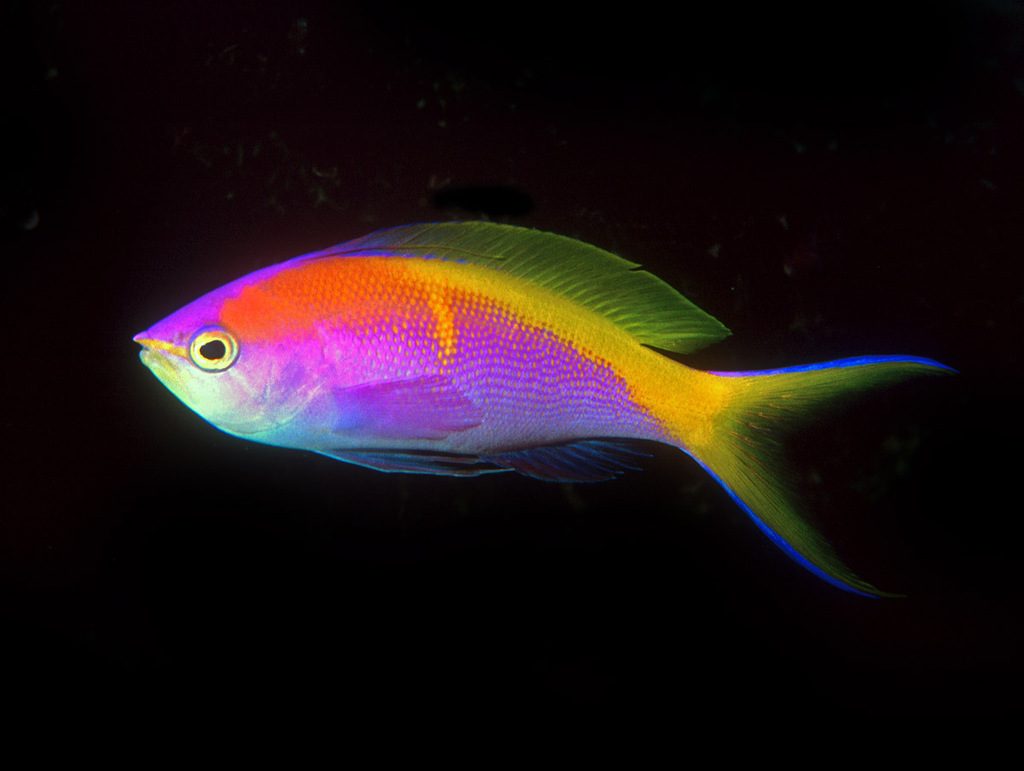
Ray-finned fishes occur in many variant forms. The main features of typical ray-finned fish are shown in the adjacent diagram.
The swim bladder is a more derived structure and used for buoyancy. Except from the bichirs, which just like the lungs of lobe-finned fish have retained the ancestral condition of ventral budding from the foregut, the swim bladder in ray-finned fishes derives from a dorsal bud above the foregut. In early forms the swim bladder could still be used for breathing, a trait still present in Holostei (bowfins and gars). In some fish like the arapaima, the swim bladder has been modified for breathing air again, and in other lineages it has been completely lost.
The teleosts have urinary and reproductive tracts that are fully separated, while the Chondrostei have common urogenital ducts, and partially connected ducts are found in Cladistia and Holostei.