
Appearance
While the expanded order Carangiformes is primarily defined by molecular data, the core group (suborder Carangoidei) shares specific synapomorphies:
One or two tubular ossifications (prenasals) extending from the nasal bone, a trait shared with the archerfishes.
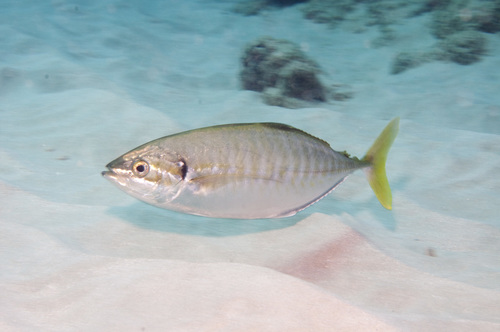
Most carangiforms are medium to large-sized predatory fish, ranging from 22 cm (8.7 in) to 2.5 m (8.2 ft) in length. Body shapes vary from slender and fusiform (e.g., barracudas, cobia) to deep-bodied and laterally compressed (e.g., trevallies, moonfish, flatfishes). Most species are marine, inhabiting primarily tropical and subtropical waters, though some are able to live in freshwater during certain parts of their lives (giant trevally, all archerfish), and some live entirely in freshwater (river tonguesole).