Habitat
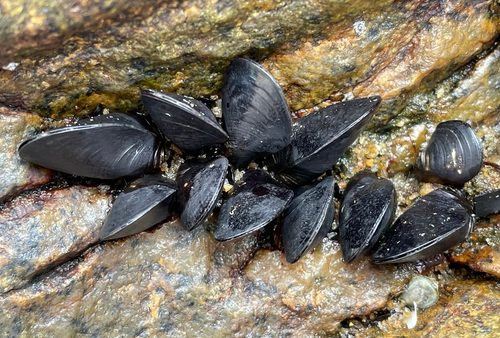
Ischadium recurvum prefers to feed in environments with lower salinity. As salinity increases, the mussel's rates of clearance, filtration, organic ingestion, and absorption decrease. High salinity levels are stressful for this species and make its feeding inefficient. Because I. recurvum is dependent on oyster beds, its survival is directly linked to that of the oysters. In regions such as the Chesapeake Bay, where disease and over-harvesting have caused a decline in the oyster population, there has been a corresponding loss in the hooked mussel population. Although Ischadium can attach to other hard substrates, the decline in oyster populations leads to increased sedimentation rates, which bury available substrates. This makes the Ischadium population extremely susceptible to changes in the oyster population.