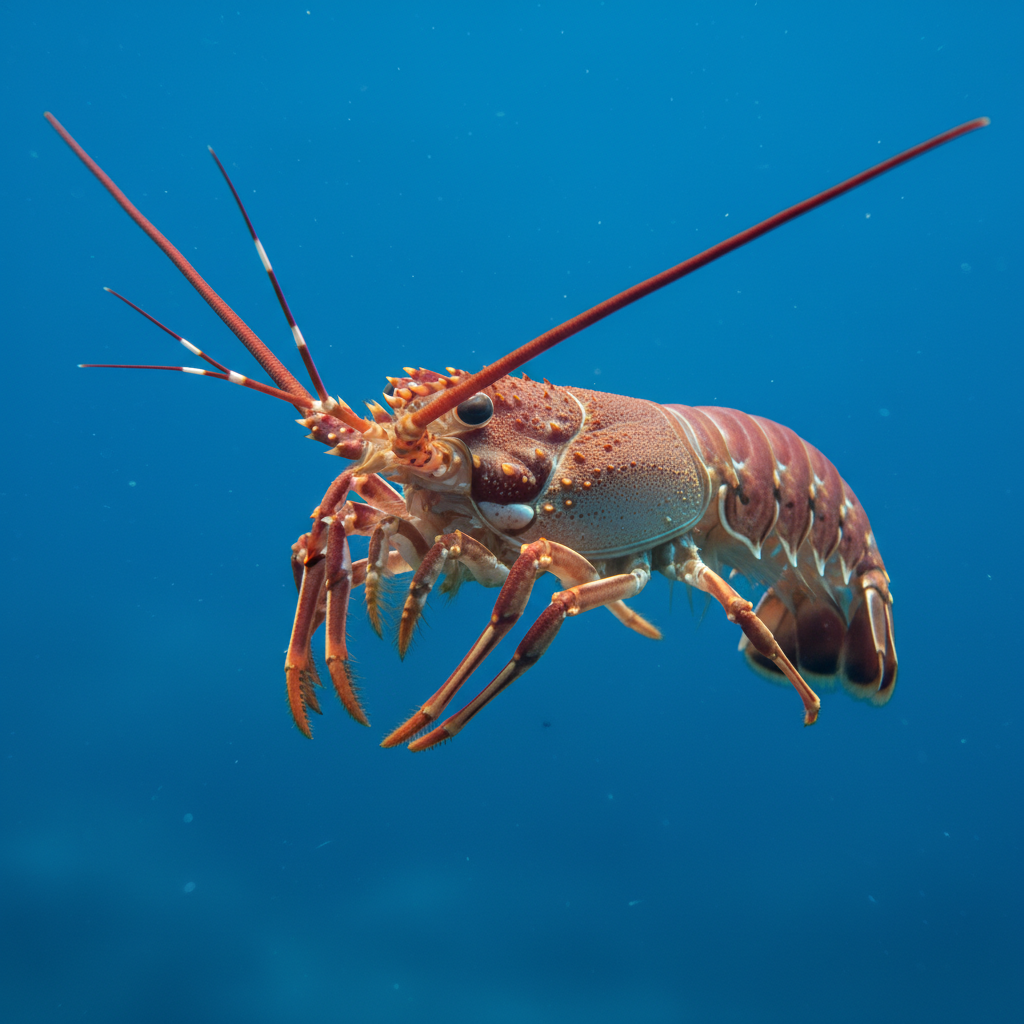
Crustaceans (from Latin word "crustacea" meaning: "those with shells" or "crusted ones") are mandibulate arthropods that are traditionally a part of the paraphyletic subphylum Crustacea. Crustaceans are mainly aquatic, including decapods (shrimps, prawns, crabs, lobsters, and crayfish), seed shrimps, branchiopods, fish lice, krill, remipedes, isopods, barnacles, copepods, opossum shrimps, amphipods and mantis shrimp. It is now well accepted that hexapods (insects and entognathans) are cladistically crustaceans, with the two groups now combined in the monophyletic clade Pancrustacea. The three classes Cephalocarida, Branchiopoda, and Remipedia are more closely related to the hexapods than they are to any other crustaceans (oligostracans and multicrustaceans).
The 67,000 described species range in size from Stygotantulus stocki at 0.1 mm (0.004 in), to the Japanese spider crab with a leg span of up to 3.8 m (12.5 ft) and a mass of 20 kg (44 lb). Like other arthropods, crustaceans have an exoskeleton, which they moult to grow. They are distinguished from other groups of arthropods, such as insects, myriapods and chelicerates, by the possession of biramous (two-parted) limbs, and by their larval forms, such as the nauplius stage of branchiopods and copepods.