
← All marine life
Common Bully
Species IUCN · Least Concern (LC)

Common Bully

Gobiomorphus cotidianus, McDowall, 1975

marinebrackishfreshwater

About Common Bully

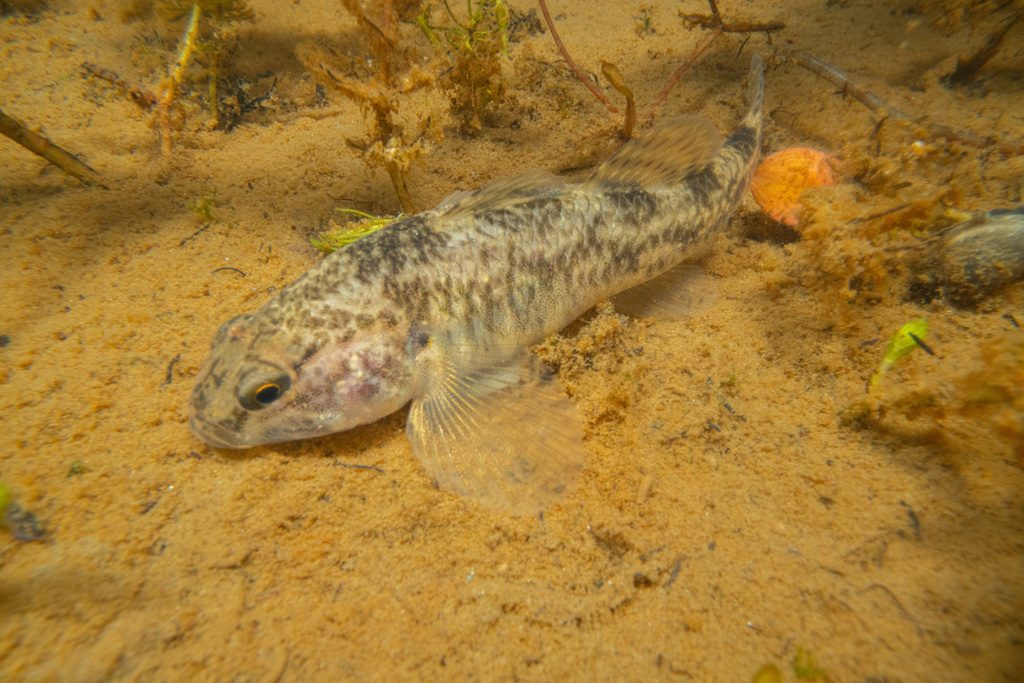
The common bully (Gobiomorphus cotidianus), or toitoi (Māori), is a fish endemic to New Zealand, and is present throughout the country. There are three other bully species that can be confused with common bullies. There are few characteristics of the common bully that separate it from other species. Vertical lines present on the cheek are a good defining characteristic, along with the location of head pores and scale patterns on the head although these are hard to establish when seen in the wild. It is an amphidromous fish meaning it is able to survive in marine and fresh water environments. It is a small fish only growing as big as 15 cm. It can live in marine, fresh water or brackish water habitats and generally lives in benthic zones. Some populations venture into the sea and occur in coastal rivers and streams while other land-locked populations have established in many shallow mainland lakes. They generally prefer moderate to slow moving water which means they are the most likely bully species to be sighted. Its diet consists mainly of small benthic invertebrates but also involves insect larvae and crustacea.

Reproduction

In the summer months Gobiomorphus cotidianus can be found moving more into the littoral zones of lakes and streams as the females prepare to reproduce. The females attach clusters of a several hundred to a few thousand eggs onto the underside of hard surfaces on the lake bottom where they are fertilized and guarded by the males. The larval stage of bullies are planktonic and their main source of food are zooplankton. As the young grow larger they move into deeper waters, and become benthic once they reach about 18mm in length. They mature at around 1 year old and the average generation gap is 2 years.

Where to see it

No dive sites list Common Bully yet. Explore the map to find sites near you.