
← All marine life
Bocaccio
Species IUCN · Critically Endangered (CR)

Bocaccio

Sebastes paucispinis, Ayres, 1854

marine

About Bocaccio

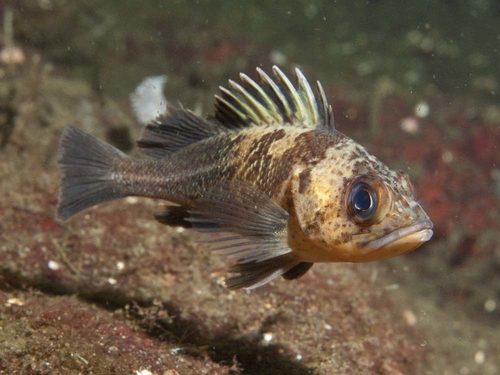
The bocaccio rockfish (Sebastes paucispinis) is a species of marine ray-finned fish belonging to the subfamily Sebastinae, the rockfishes, part of the family Scorpaenidae, It is found in the northeast Pacific Ocean. It is also known as rock salmon, salmon grouper, rockcod, Pacific red snapper, or simply bocaccio.

Habitat

Bocaccio can be found from Stepovak Bay, Alaska to central Baja California, but is mostly abundant from Oregon to northern Baja California. They have been spotted from various depths from the surface to 1,568 feet (478 m); most live between 150–1,000 feet (46–305 m). Juveniles stay in shallower water because of the protection provided by floating kelp mats or driftwood. Shallow water kelp forests and oil platforms also help these fish avoid danger, as they can use them to dodge and hide from predators. As the fish get older, they to move into deeper, colder water. The Monterey submarine canyon is an ideal place for many marine organisms to inhabit or migrate through, and bocaccio in this canyon can consume multiple marine species such as shellfish (pelagic shrimp and crabs), anchovies, sardines, other small rockfishes, and squid.
Humans & conservation

Recreational and commercial fisheries off the coast of California rely heavily on bocaccio. They are caught by trawling, gillnetting and hook and line. Overfishing has occurred over the past decade. Commercial fishermen tend to target bocaccio due to their abundance and longer shelf life. The permitted depths of fishing have decreased, as older and larger bocaccio tend to stay deeper, because the deepest fishermen can fish at is around 240 feet (73 m) in some areas (2025).

Studies off of Southern California oil platforms show they have produced a slight increase on bocaccio population. Juveniles like to use these platforms as they provide a resemblance of a natural habitat with more protection, and because of the availability of plankton. Studies showed that out of eight platforms there was a large amount of young juvenile bocaccio at seven platforms.

Part of

Where to see it

No dive sites list Bocaccio yet. Explore the map to find sites near you.